The Hundred Most Influential Men of the West
The Academy’s first ranking of a hundred men of the West, beginning with Jesus Christ.
October 2026
It is shocking that nobody has written this list.
The West keeps lists of everything else. Kings, popes, battles, inventions, the books it calls a canon. Ask for the hundred men who did the most to make the civilization, set down in an order, with a reason beside each name, and the shelf is empty.
Michael Hart’s The 100 ranks the world and puts Muhammad first. Charles Murray’s Human Accomplishment ranks painters with painters and scientists with scientists, and never makes one line of men. Ian Cheney’s Who Made the West names thirty people and stops. A Victorian set, The Hundred Greatest Men, sorts by profession and brings in founders from outside the West.
So we have tried to write it. The Academy exists to pass this inheritance on. A people that will not name the men who made it will have a hard time keeping it.
The task is too big for the page. A hundred places, and the West has more great men than that. Leibniz is not here. Mozart is not here. Hume is not here. Raphael is not here. Anyone who loves one of those four has a fair complaint, and the complaint is right. The women of the West are another letter. What follows, even among the men, is one judgment. We offer it so it can be argued with.
The measure is influence on the West: the civilization that runs from Jerusalem, Athens, and Rome, through Christian Europe, into the English-speaking world. How far did his work bend its faith, its mind, its law, or its power? Some of these men built. Hitler, Lenin, and Stalin are here because of the harm they did, and because we are still living in the aftermath. Marx is here because so much of that harm was done by men who called him master. We rank them for the size of the damage.
We begin where the civilization begins its own account. With Jesus Christ. The West dated its years from his birth, and built its hospitals, its care for the poor, and a great share of its universities under his name. Moses stands here for the Scriptures of Israel, which Christian Europe received as its own. Then the Greeks. After them the long argument: church and empire, the press, the sciences, the republics, and the wars.
Read it slowly. If a name sits too high or too low, say so. This is the Academy’s first draft.
| 1 | 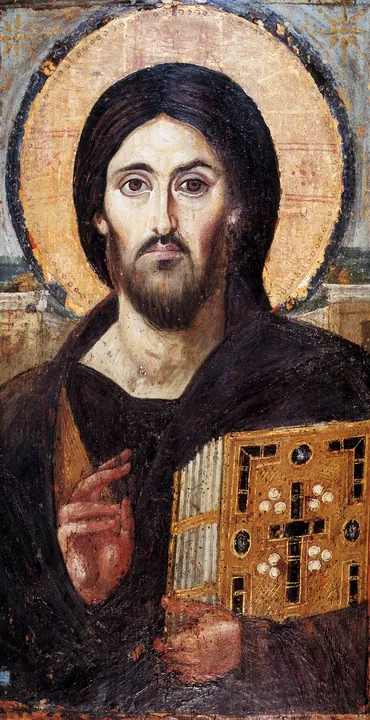 Jesus Christ (c. 4 BC–AD 30) He was born in Judea under Augustus, preached the kingdom of God, and was crucified under Pontius Pilate. His followers proclaimed that he rose, and the civilization that confessed him as Lord built its calendar, its hospitals, its universities, and its account of the human person around that claim. No other life has bent the conscience, the art, and the politics of the West as his has. |
|---|---|
| 2 | 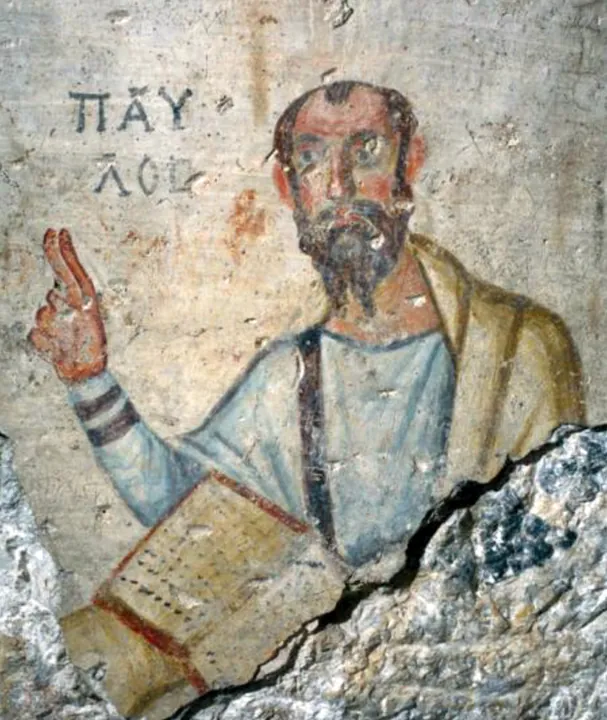 Paul the Apostle (c. AD 5–c. 65) A Pharisee who had persecuted the church, he spent the rest of his life planting it among the Gentiles. His letters became the spine of the New Testament and taught the West justification, the church as one body, and a conscience answerable to Christ. The mission that carried the faith out of Judea and into Europe is largely his work. |
| 3 | 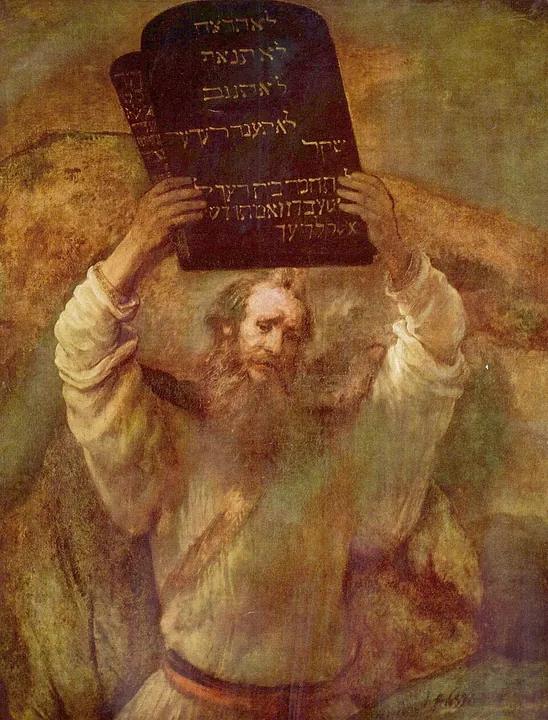 Moses (the Exodus) Through him the West received the Ten Commandments, the creation account, and the story of a people delivered from slavery. Christian Europe read those books as Scripture, and built its moral law and its idea of a God who judges kings on that reading. He stands on this list because Jerusalem is one of the three roots of the West. |
| 4 | 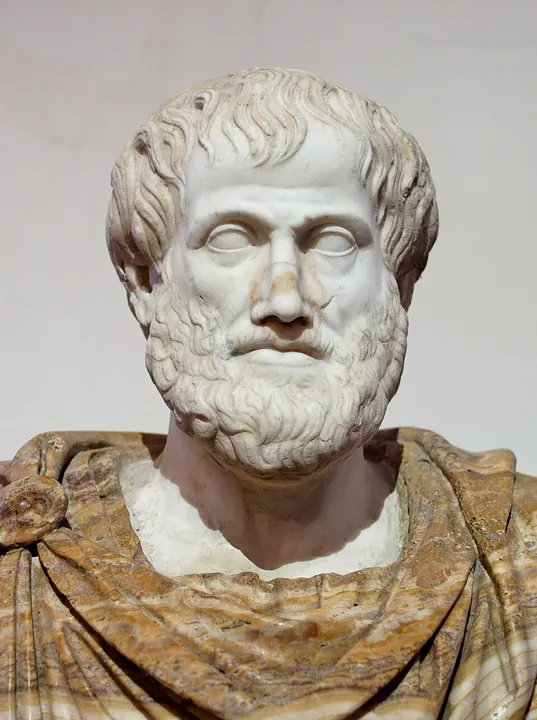 Aristotle (384–322 BC) The student of Plato gave the West its logic, a science of living things, an ethics of virtue, and a politics of regimes. The universities of Christendom argued inside his vocabulary for centuries. Modern science both used him and had to get past him. |
| 5 | 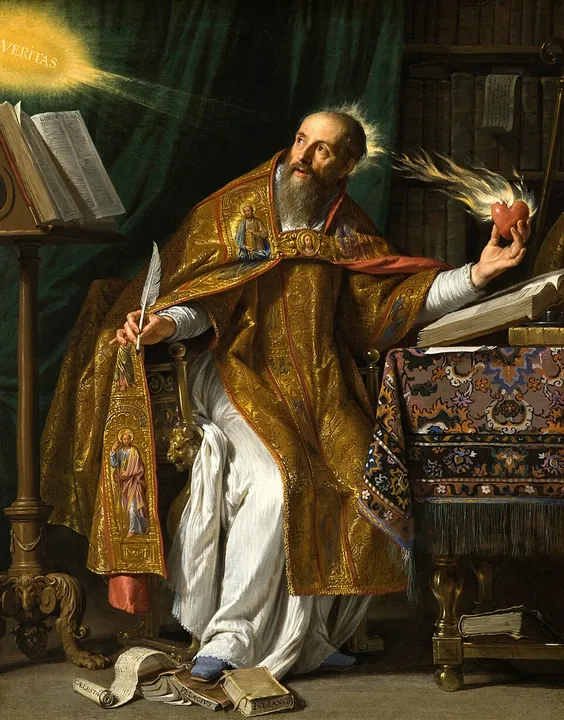 Augustine of Hippo (354–430) A North African bishop, he wrote the Confessions, a new kind of inward book, and the City of God, a Christian reading of a falling empire. He bound the biblical story to the best of Platonism and set the terms of later debate on grace, evil, just war, and the two cities. Medieval theology and the Reformation are both arguments with him. |
| 6 | 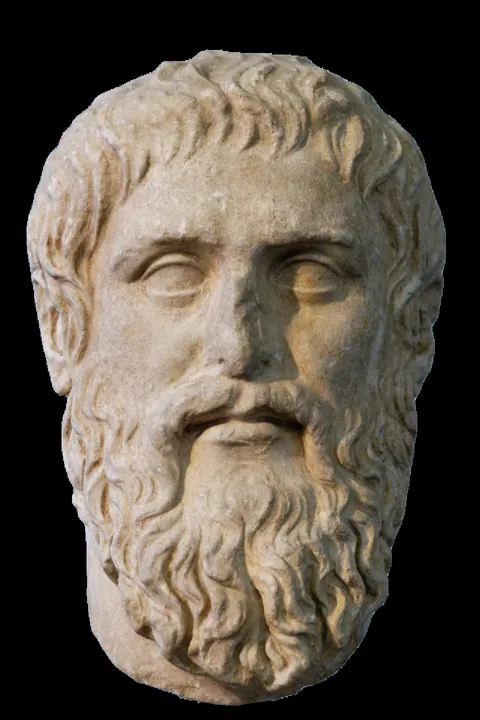 Plato (c. 428–348 BC) Through the voice of Socrates he gave the West the examined life, the forms, the soul, and the question of a just city. The Republic, the Apology, and the Symposium never left the schools. Christian theology, Renaissance art, and modern political philosophy keep returning to him. |
| 7 | 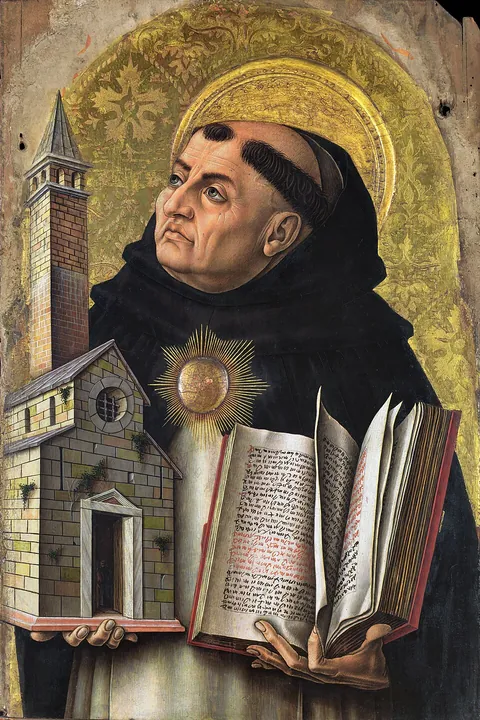 Thomas Aquinas (1225–1274) A Dominican, he joined Aristotle’s reason to Christian doctrine in the Summa and taught the Latin church that faith and argument belong together. His account of natural law still sits under Western talk of rights that no prince invents. The university as a place where theology and the sciences share a method is partly his monument. |
| 8 | 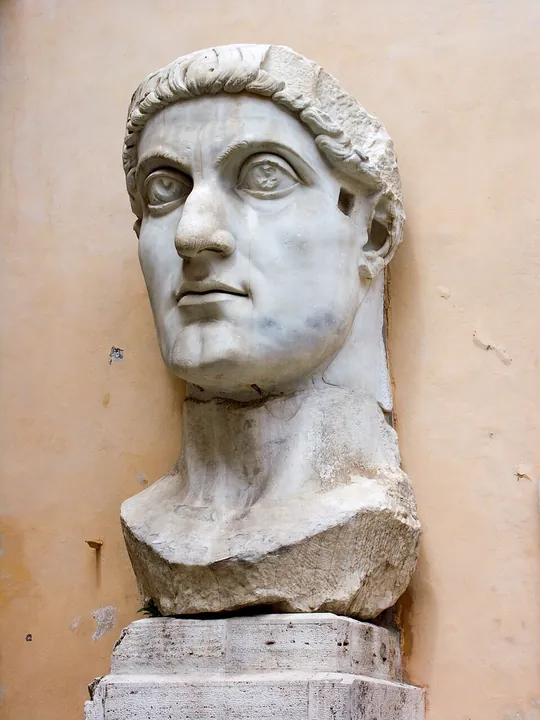 Constantine the Great (c. 272–337) He won the empire at the Milvian Bridge, ended the persecution of the church, and called the Council of Nicaea. By favoring Christianity and founding Constantinople he turned a persecuted sect into the public faith of the Roman world. The Christian centuries of Europe begin in his reign. |
| 9 | 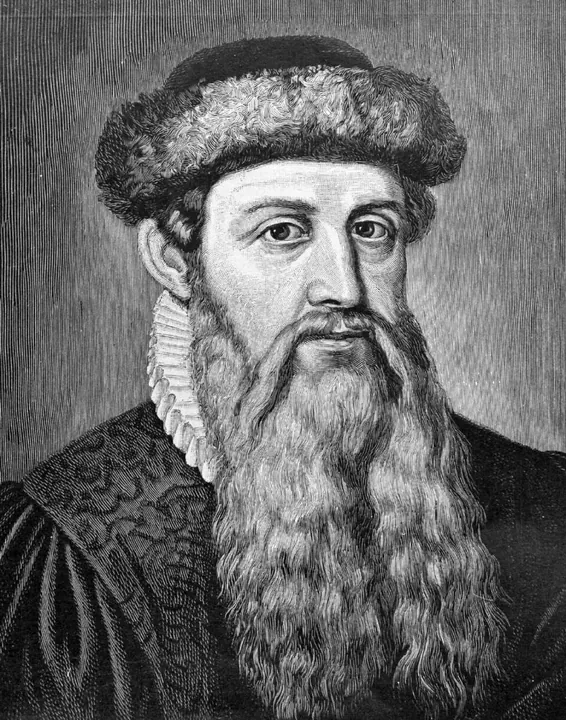 Johannes Gutenberg (c. 1400–1468) A goldsmith in Mainz, he joined movable type, an adapted press, and oil-based ink into a machine that could print a Bible. Within fifty years Europe had more books than it had produced in the previous thousand. The Reformation, the scientific journal, the newspaper, and the novel all ride on that press. |
| 10 | 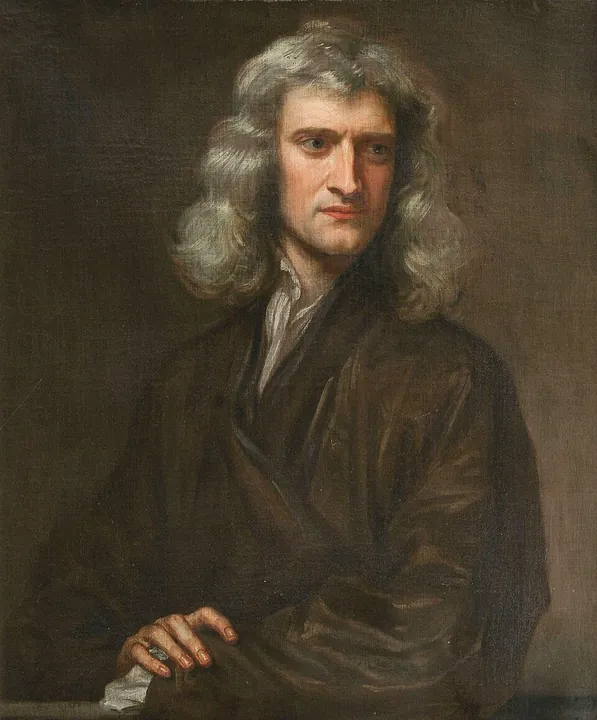 Isaac Newton (1643–1727) He stated the laws of motion and universal gravitation, shared in the invention of the calculus, and showed that heaven and earth obey one mathematics. The Principia taught the West that nature is intelligible and that a mind working from observation can state its rules. Engineering, navigation, and the later prestige of science rest on that demonstration. |
| 11 | 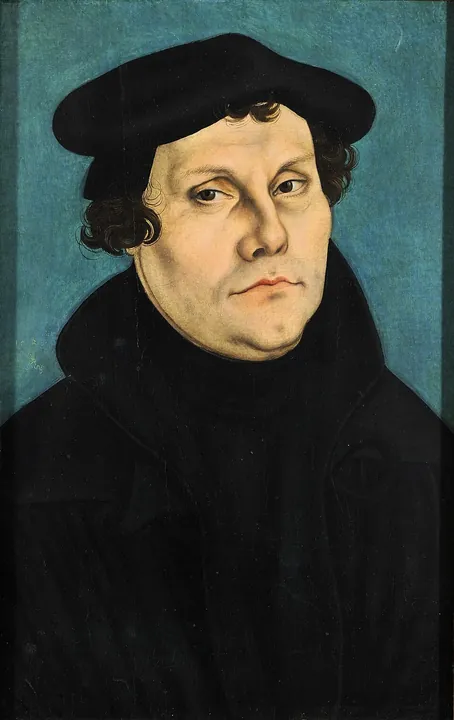 Martin Luther (1483–1546) An Augustinian monk, he challenged the sale of indulgences in 1517 and then the pope’s authority over Scripture. His German Bible and his doctrine of justification by faith split Latin Christendom and put the Bible in ordinary hands. The Protestant north, the modern conscience, and the long fight over who may interpret the faith all pass through him. |
| 12 | 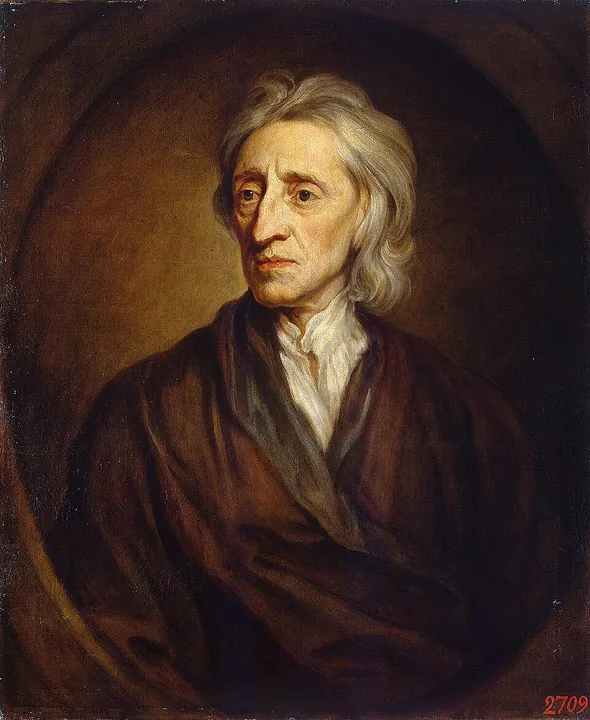 John Locke (1632–1704) He argued that government is a trust, that men have rights to life, liberty, and property before the state exists, and that the mind begins without innate ideas. The American founding quotes him almost as a civic scripture. Toleration, the labor theory of property, and the empirical habit in English thought are his legacy. |
| 13 | 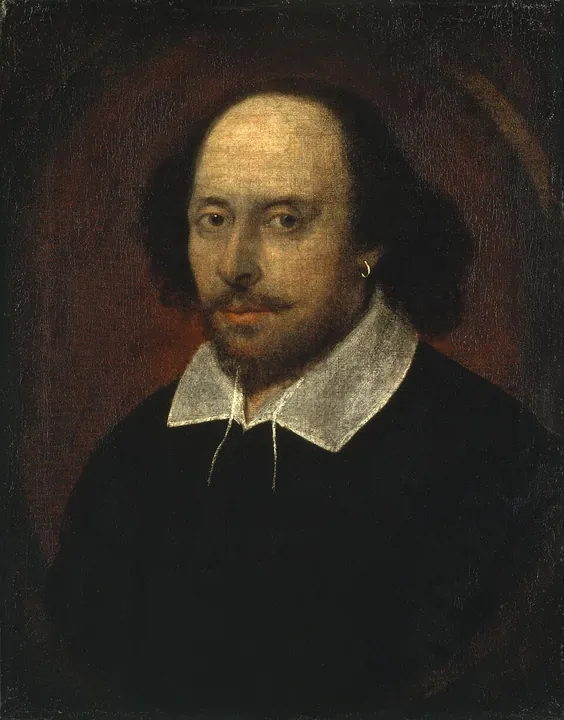 William Shakespeare (1564–1616) He wrote the plays and poems that became the other English Bible. Hamlet, Lear, the history plays, and the sonnets gave the language its deepest public store of character, power, jealousy, and mercy. The world’s theaters still perform him because the plays hold, and no later English writer has escaped him. |
| 14 | 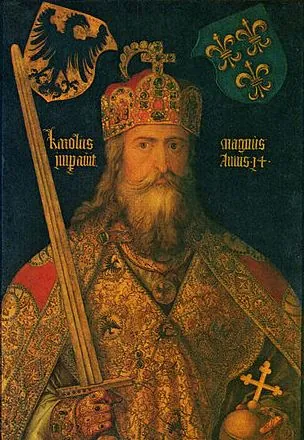 Charlemagne (748–814) King of the Franks and emperor in the West from 800, he gathered what remained of Latin learning and backed the schools of his court. Europe’s memory of a unified Christian order, and the political shape of France and Germany, start with him. He is the bridge from the wreck of Rome to the civilization that called itself Christendom. |
| 15 | 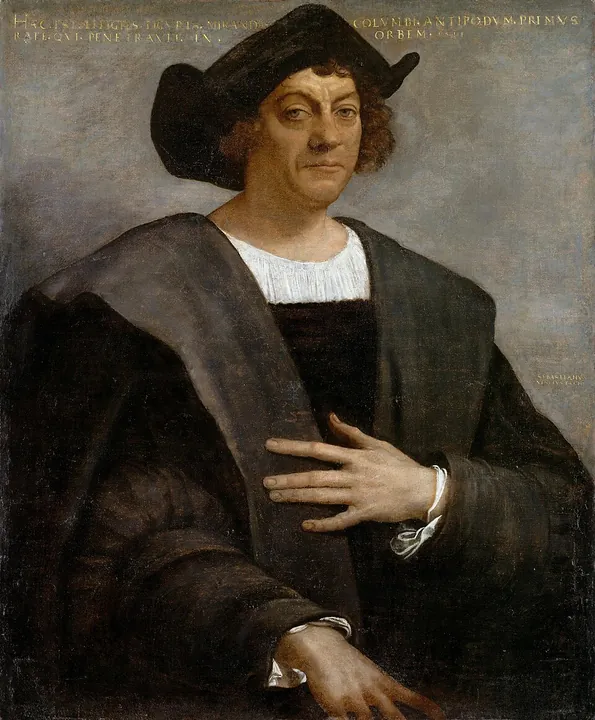 Christopher Columbus (1451–1506) A Genoese navigator sailing for Spain, he reached the Caribbean in 1492 and opened a permanent passage between Europe and the Americas. The wealth, the peoples, and the crops of two continents entered one economy after that crossing. The modern West is the Atlantic civilization that begins with him. |
| 16 | 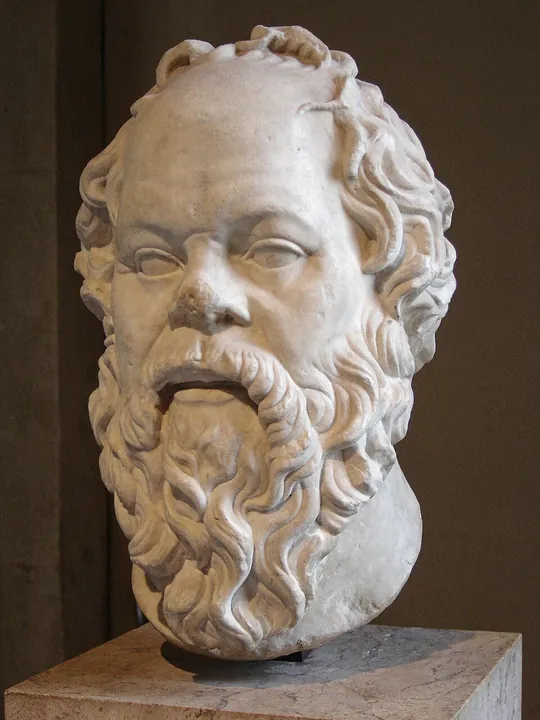 Socrates (c. 470–399 BC) He wrote nothing, and spent his life in Athens asking men whether they knew what they claimed to know. He drank the hemlock rather than stop asking. Plato and every later school of moral philosophy begin from that death, and the West still treats the examined life as the standard of a free mind. |
| 17 | 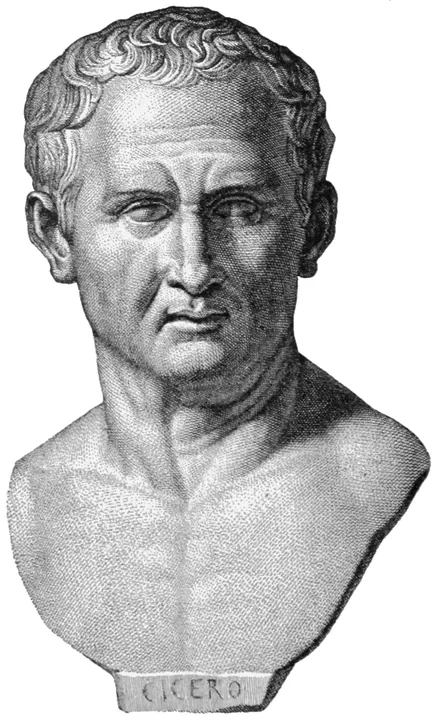 Cicero (106–43 BC) The Roman orator put Greek philosophy into Latin and taught Europe how a republic speaks. His writings on duty, law, and rhetoric were schoolbooks of the Middle Ages, the Renaissance, and the American founders. When the West talks about natural law and public eloquence, it is often talking in his sentences. |
| 18 | 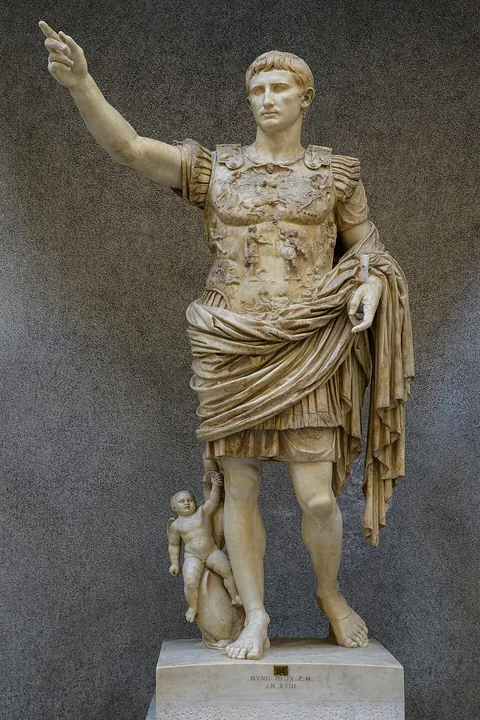 Augustus (63 BC–AD 14) He ended the Roman civil wars, held power while keeping the forms of the republic, and gave the Mediterranean a peace long enough for law, roads, and the birth of Christ. The empire he ordered is the political world the Gospels and the apostles assume. Later emperors in the West, from Charlemagne on, were trying to wear his mantle. |
| 19 | 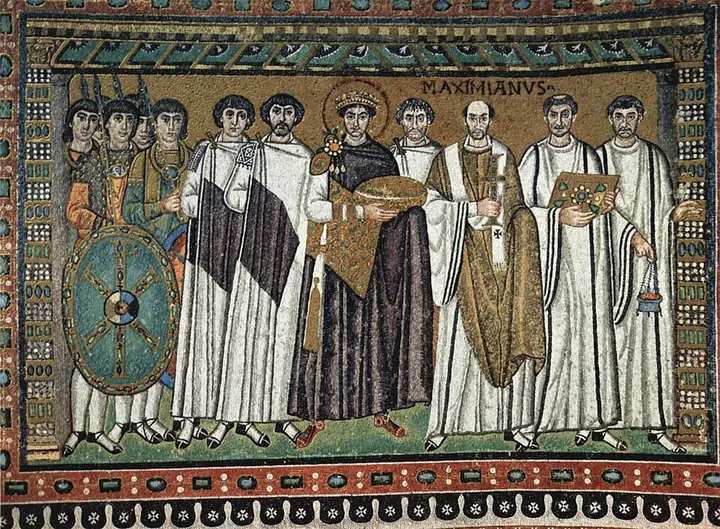 Justinian I (c. 482–565) Emperor in Constantinople, he ordered the Roman law into the Corpus Juris Civilis. That code, recovered in medieval Bologna, became the civil law of continental Europe. The idea that a state can be ruled by a written, teachable body of law is his gift to every later code. |
| 20 | 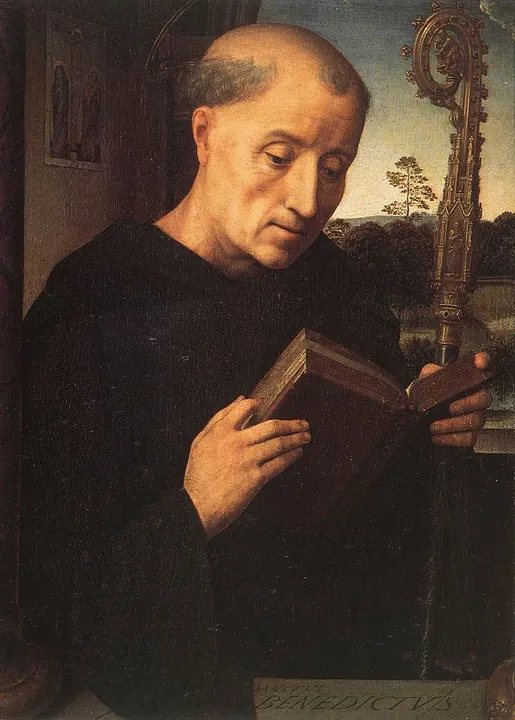 Benedict of Nursia (c. 480–c. 547) He wrote the Rule that ordered Western monasticism: prayer, work, and reading under an abbot, from Monte Cassino across Latin Europe. The houses that kept that Rule became the West’s scriptoria and libraries, copying Scripture, the Fathers, and the Latin authors through the wreck of Rome and the Islamic conquest of the old Mediterranean. Charlemagne later gathered what they had saved; the institution that kept the inheritance alive is Benedictine. |
| 21 | 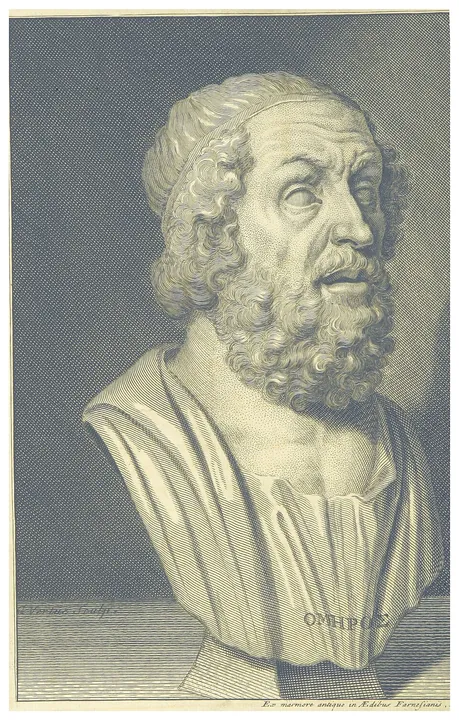 Homer (8th century BC) The Iliad and the Odyssey are the first great poems of the Greek world and the school of every later Western epic. They taught courage, guest-friendship, craft, and the cost of rage. Virgil, Dante, and Milton all wrote with him open on the desk. |
| 22 | 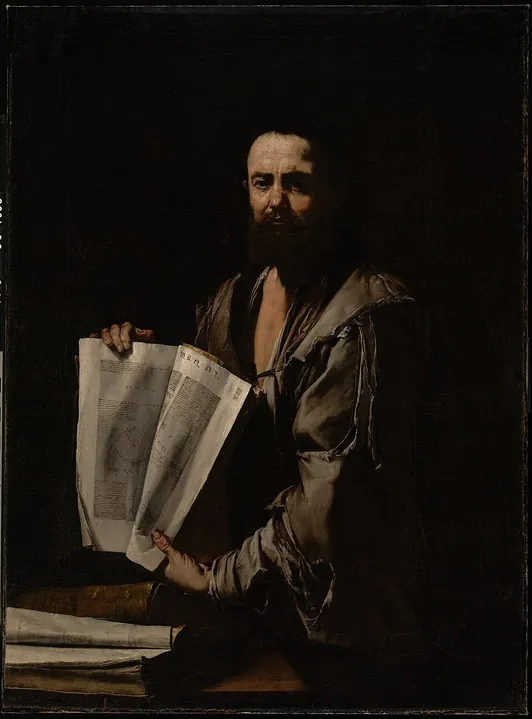 Euclid (fl. c. 300 BC) In the Elements he showed how a body of knowledge can be built from definitions, axioms, and proof. For two thousand years that book was the model of certainty, taught to every student who claimed to be educated. Geometry, architecture, and the idea of a demonstrative science take their form from him. |
| 23 | 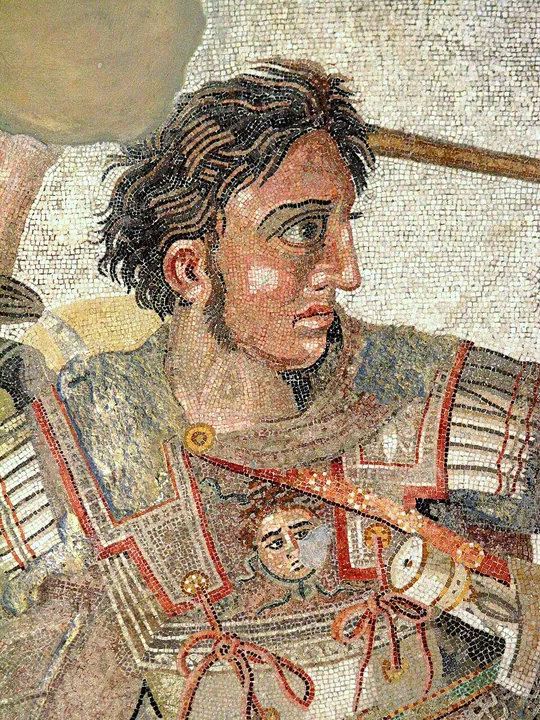 Alexander the Great (356–323 BC) In a decade he carried Greek arms and Greek cities from Macedon to Egypt and the Indus. He made the language and learning of the Greeks the common culture of the East, from Egypt to Persia. That Hellenistic world became the eastern half of Rome, and later the Greek world of the New Testament; he is the man who carried the greatness of the Greeks beyond the polis. |
| 24 | 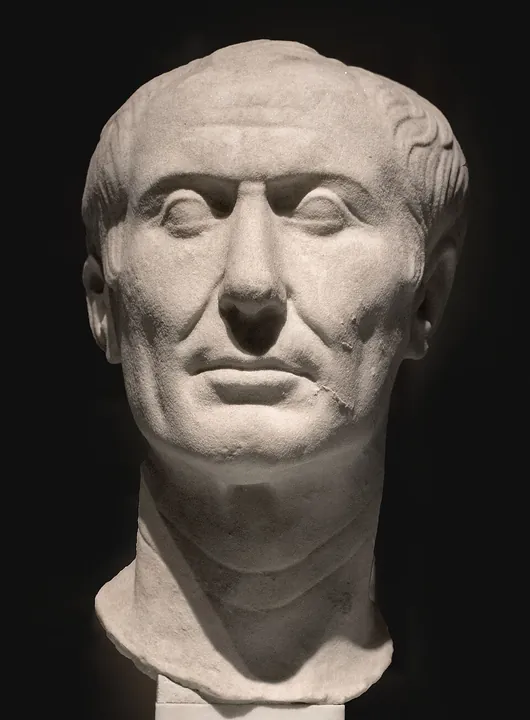 Julius Caesar (100–44 BC) He conquered Gaul and brought Western Europe into the Roman world. He crossed the Rubicon, won the civil war, and ended the Republic; the imperial order Augustus completed begins in that crossing. He gave the West the Julian calendar, and his name became a title: Caesar, Kaiser, Tsar. |
| 25 | 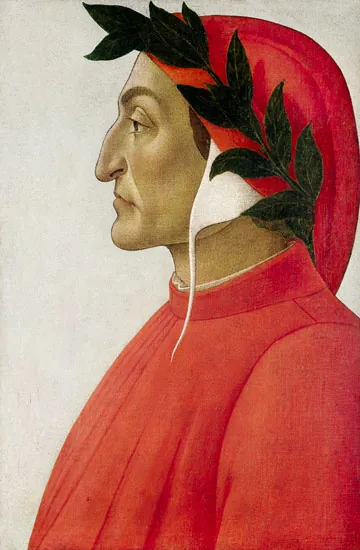 Dante Alighieri (1265–1321) He wrote the Divine Comedy in the Italian of Florence and made a vernacular capable of the highest Christian art. The poem walks a man from sin through purification to the vision of God and fixes the medieval cosmos in images Europe never forgot. Modern Italian, and the idea that a poem can sum a civilization, start with him. |
| 26 | 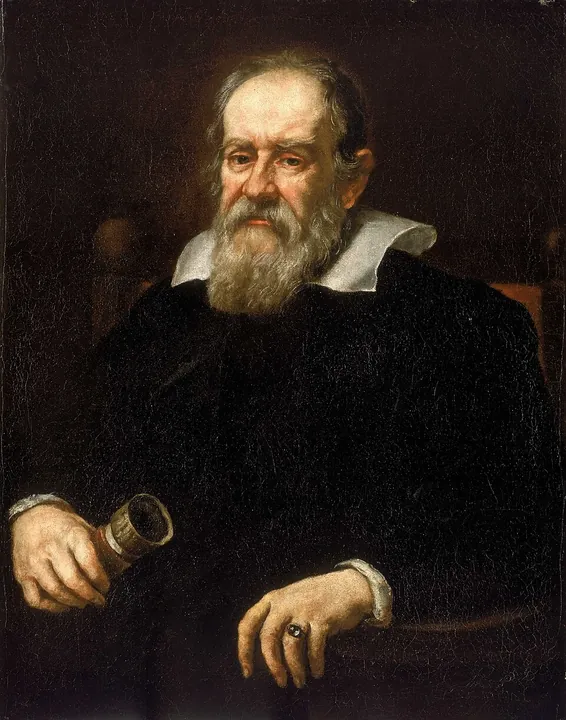 Galileo Galilei (1564–1642) He pointed a telescope at the sky, found the moons of Jupiter and the phases of Venus, and argued in Italian that the earth moves. He also founded the mathematical study of motion that Newton would complete. His trial before the Roman Inquisition became the West’s lasting parable of science, authority, and evidence. |
| 27 | 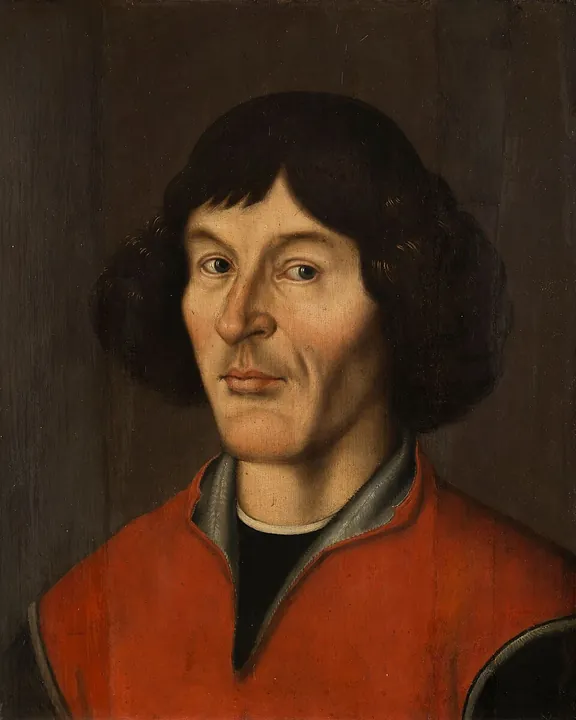 Nicolaus Copernicus (1473–1543) A Polish astronomer, he set the sun at the center of the planetary system and published the theory as he was dying. The book did not win at once, but it forced astronomy to explain the heavens by a simpler mathematics. The scientific revolution’s first great reordering of the world picture is his. |
| 28 | 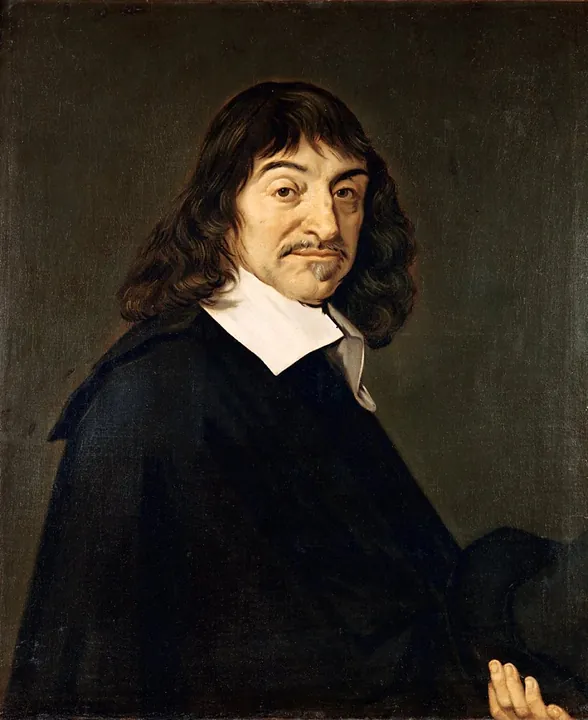 René Descartes (1596–1650) He tried to rebuild knowledge from the thinking self, and he gave us analytic geometry, which puts lines and curves on a coordinate plane so that algebra can describe them. His method, his doubt, and his split between mind and body set the agenda of modern philosophy. Later arguments about certainty, the self, and a machine-like body are conversations with him. |
| 29 | 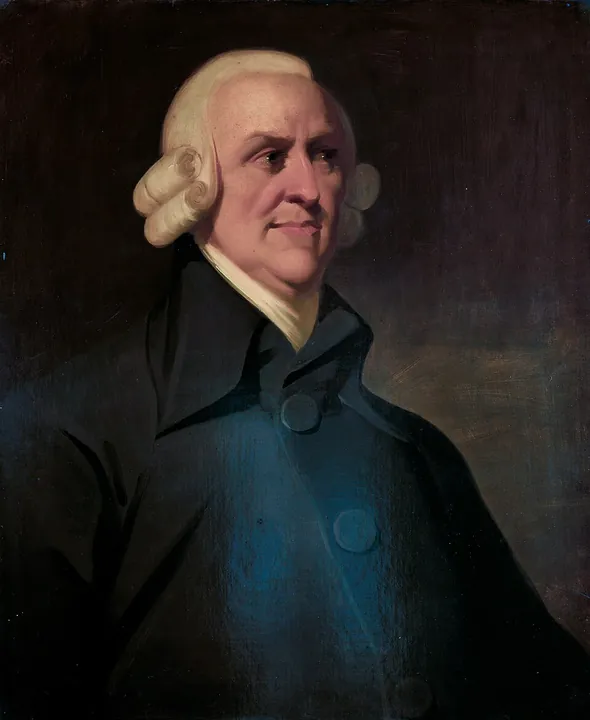 Adam Smith (1723–1790) A Scottish moral philosopher, he explained in The Wealth of Nations how the division of labor, prices, and trade create wealth without a planner directing them. He also wrote The Theory of Moral Sentiments, and the two books belong together. The modern science of economics, and the case for a commercial society under law, are his. |
| 30 | 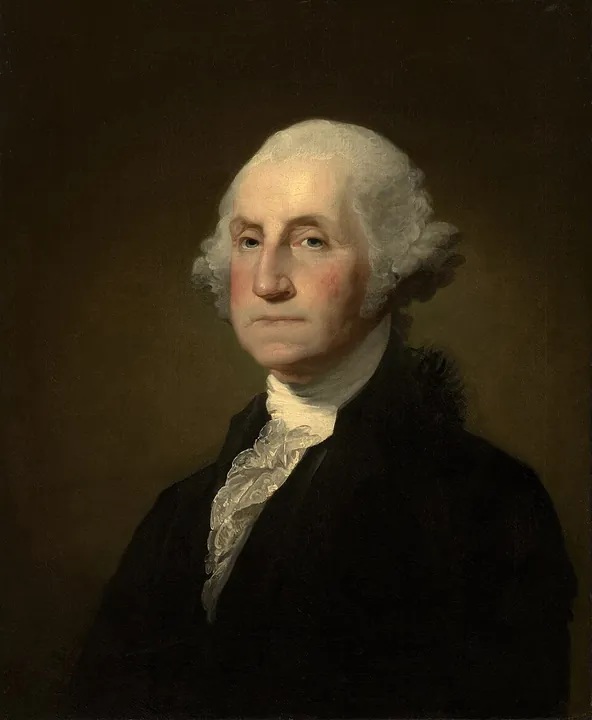 George Washington (1732–1799) He commanded the army that made the United States independent and presided over the convention that wrote its Constitution. He then left the presidency after two terms, and that refusal of a crown taught the new republic that the office is larger than the man. The American political order, which became the most powerful branch of the modern West, is unimaginable without his restraint. |
| 31 | 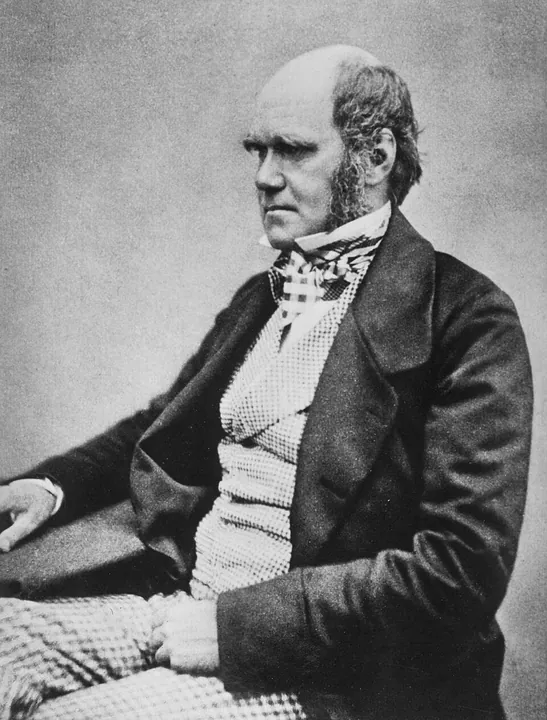 Charles Darwin (1809–1882) The Origin of Species argued that living kinds change by natural selection, and the life sciences have worked inside that theory ever since. He also forced the Christian West to say again what it believed about creation, the human being, and design. Biology, medicine, and a century of argument about man’s place in nature all run through that book. |
| 32 | 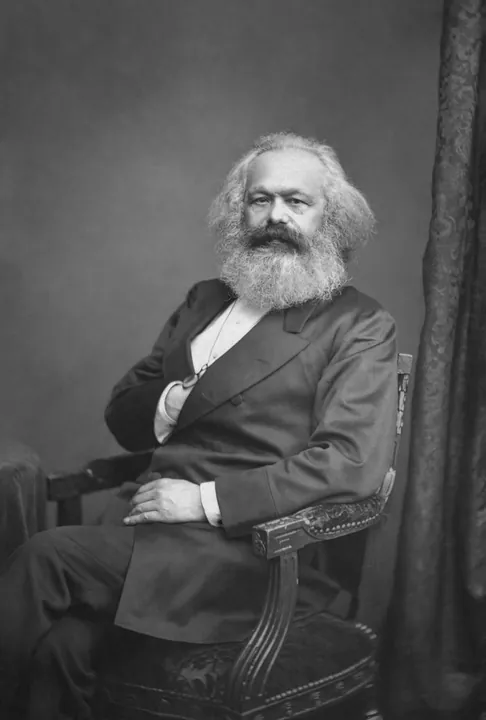 Karl Marx (1818–1883) A German exile in London, he described industrial capitalism as a system that would produce its own gravediggers and called the workers of the world to overthrow it. The Communist Manifesto and Capital became the scriptures of movements that ruled a third of mankind and haunted the rest. The West’s twentieth century, its labor politics, and its Cold War are answers to him. |
| 33 | 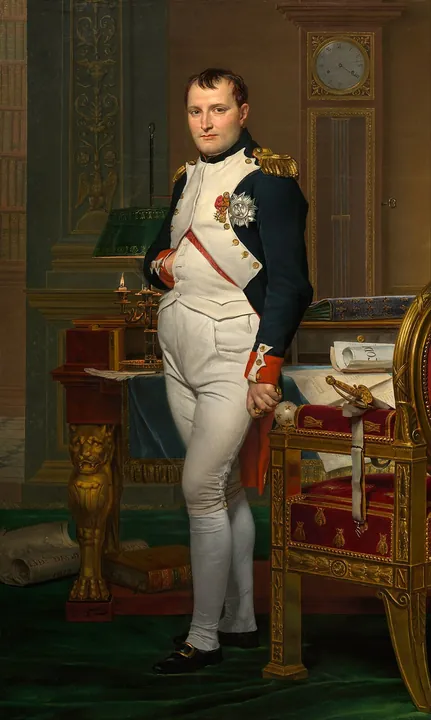 Napoleon Bonaparte (1769–1821) He carried the armies of the French Revolution across Europe, wrote its principles into the Napoleonic Code, and then fell. The code outlived the empire and became a model for civil law far beyond France. He also taught modern Europe what a nation in arms could do, and what it costs. |
| 34 | 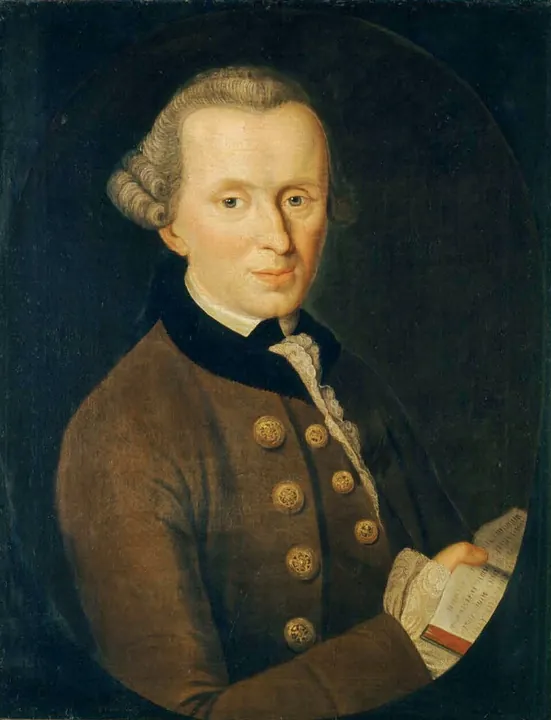 Immanuel Kant (1724–1804) He asked what reason can know, what duty requires, and what beauty is, and he answered in three critiques that reset philosophy. The demand that a person must never be used as a mere means entered the West’s moral and legal speech. Later idealism, and much of modern ethics, begins by accepting him or refusing him. |
| 35 | 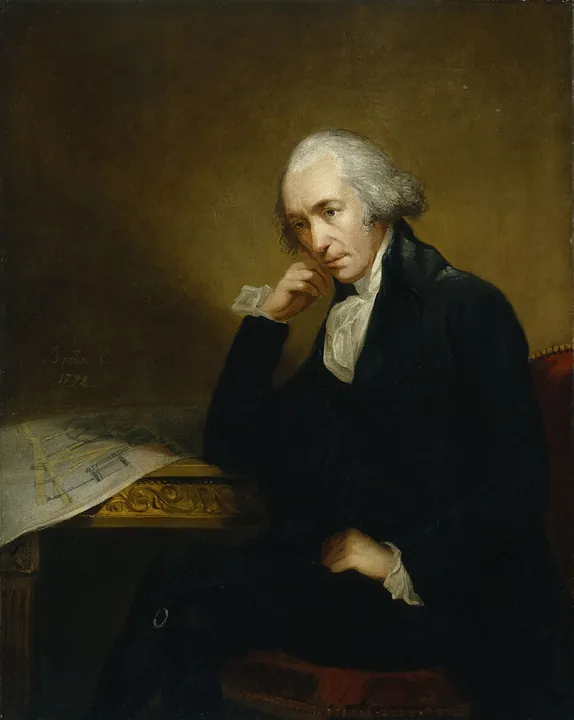 James Watt (1736–1819) Earlier steam engines already pumped the mines, and Watt’s separate condenser made steam efficient enough to power factories, mills, and locomotives. The Industrial Revolution becomes a general transformation of ordinary life once his engine leaves the coal pit. Few inventions did more to multiply ordinary labor. |
| 36 | 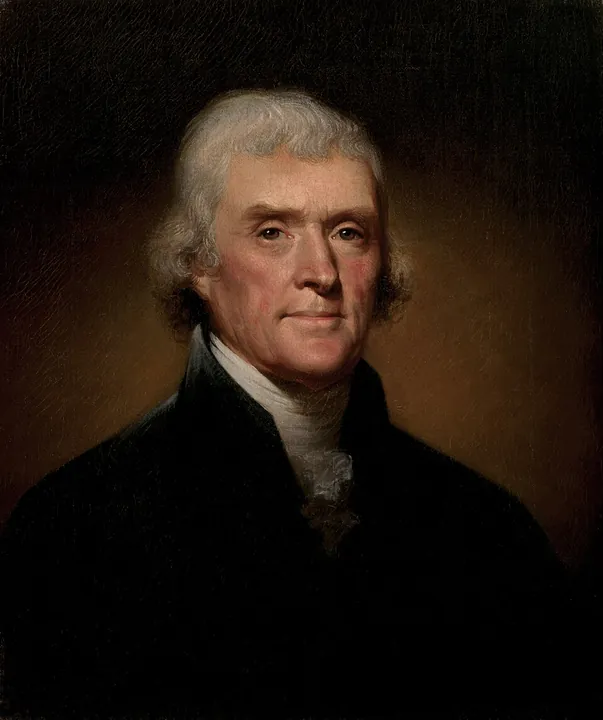 Thomas Jefferson (1743–1826) He drafted the Declaration of Independence and its claim that men are created equal and endowed with rights no government may invent. The Virginia Statute for Religious Freedom disestablished the church in his commonwealth, Notes on the State of Virginia gave the young republic its first full account of itself, and the Louisiana Purchase doubled the country’s territory. The American idea of rights still starts from his sentences. |
| 37 | 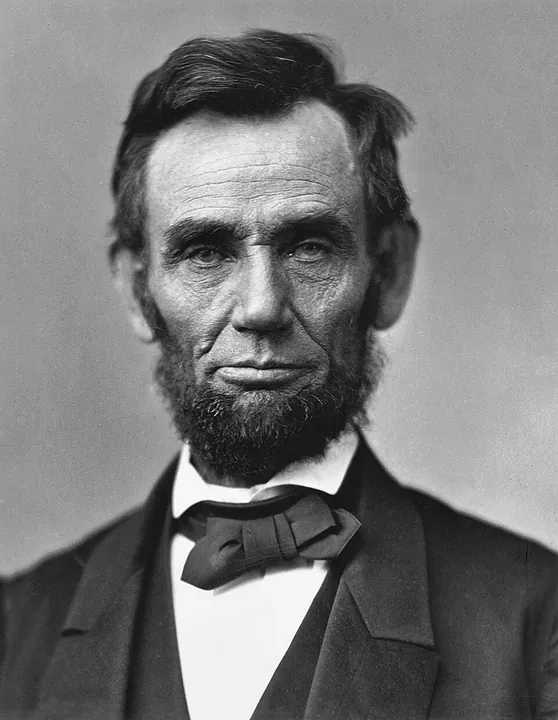 Abraham Lincoln (1809–1865) He preserved the American union through civil war, issued the Emancipation Proclamation, and pressed the Thirteenth Amendment that ended chattel slavery. The Gettysburg Address restated the founding as a test of whether a nation so conceived could endure. The modern United States, and the West’s abolition of slavery, pass through his presidency. |
| 38 | 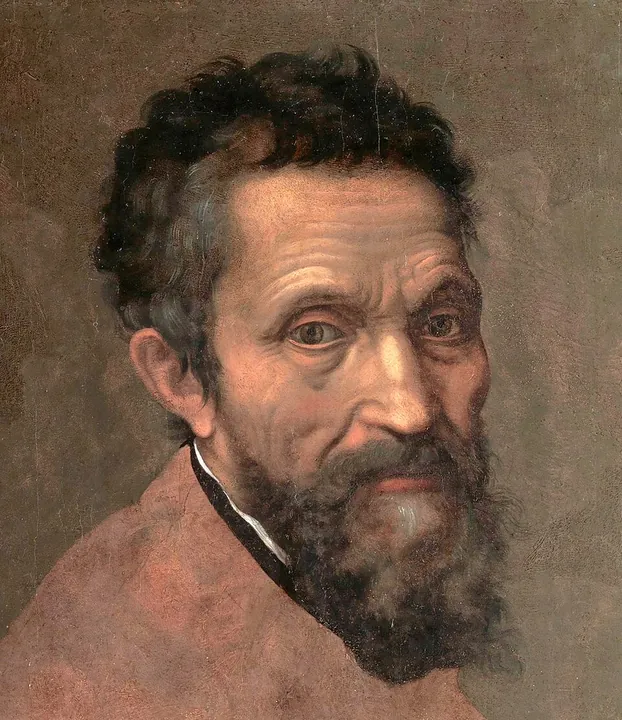 Michelangelo (1475–1564) He carved the David and the Pietà and painted the ceiling of the Sistine Chapel for a pope who wanted Rome rebuilt as the capital of Christendom. His figures taught Europe a new scale of the human body as the image of something more than the body. That ceiling, and the dome he designed for St. Peter’s, remain the high watermark of Renaissance art in the service of the Church. |
| 39 | 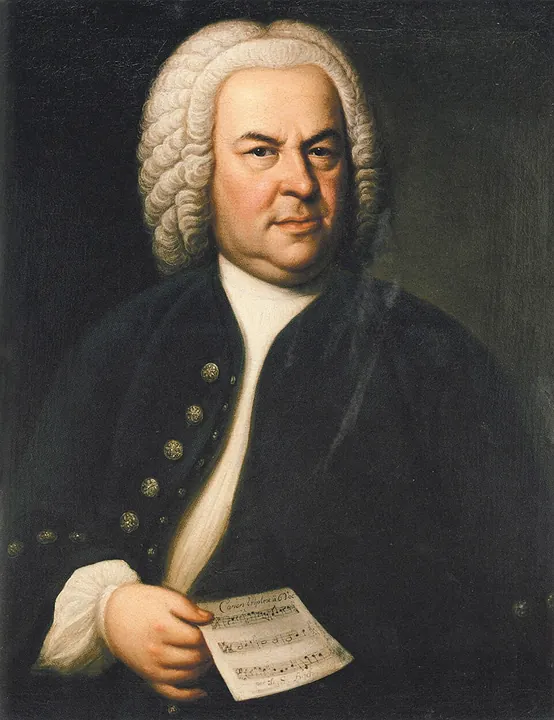 Johann Sebastian Bach (1685–1750) A Lutheran cantor in Leipzig, he wrote the Mass in B minor, the Passions, the Well-Tempered Clavier, and a body of church and instrumental music still recognized centuries later as a peak. Week by week he wrote cantatas for the Lutheran liturgy and organ works that trained the West’s keyboard players. Western art and music after him is either his heir or his rebel. |
| 40 | 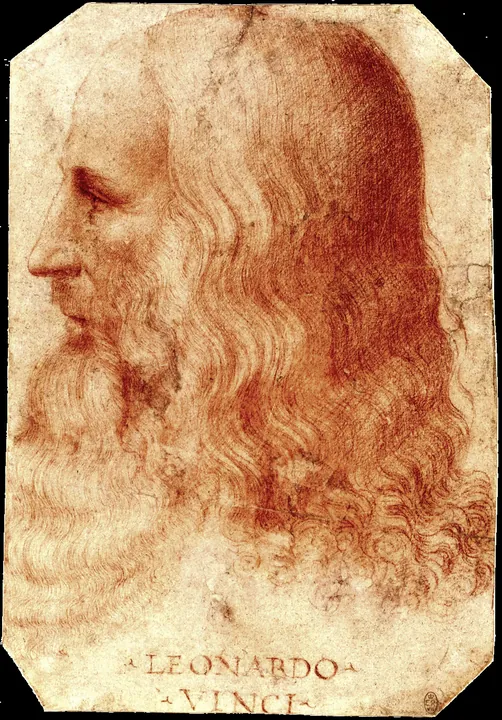 Leonardo da Vinci (1452–1519) Painter of the Last Supper and the Mona Lisa, he filled notebooks with studies of anatomy, water, flight, and machines. Painting, anatomy, and engineering were one mind’s work in him. The Renaissance ideal of the universal man is, for most people, his face and his drawing of the proportions of the body. |
| 41 | 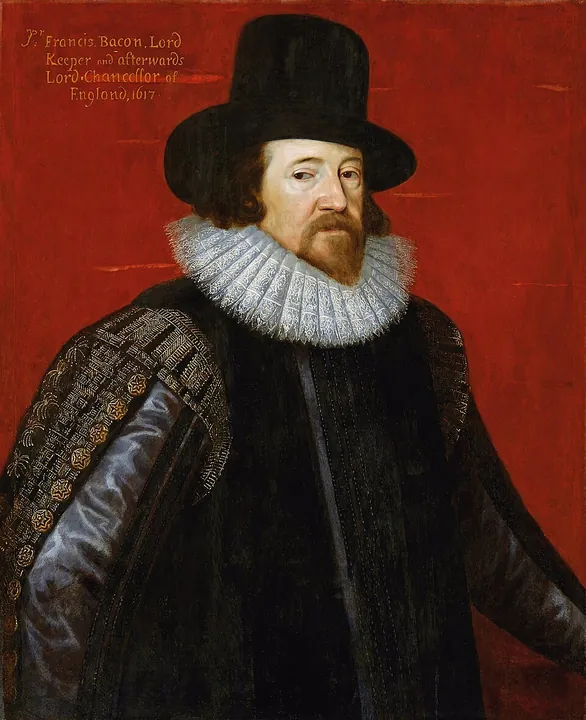 Francis Bacon (1561–1626) He is a father of the scientific method: knowledge by induction and experiment, not by scholastic disputation. The Novum Organum set out that method, and the New Atlantis promised knowledge for the relief of man’s estate. Research institutions still sound like him when they justify themselves. |
| 42 | 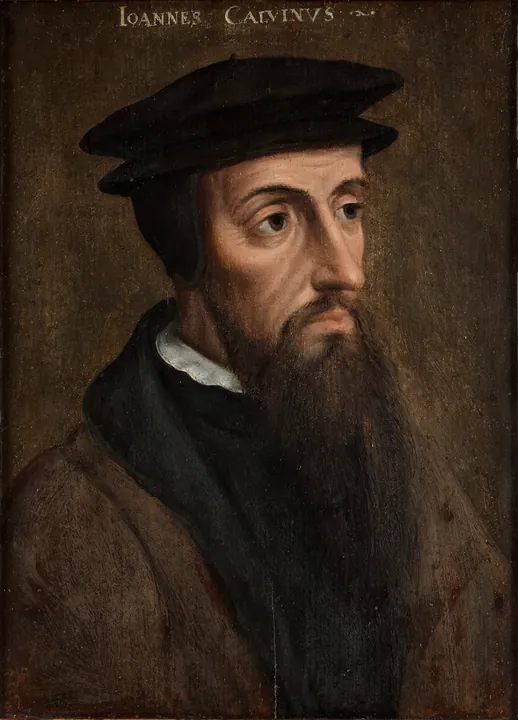 John Calvin (1509–1564) From Geneva he gave the Reformation a systematic theology, a disciplined church, and a model of civic life that traveled to France, the Netherlands, Scotland, and New England. The Institutes taught a sovereignty of God that produced severe morals and stubborn resistance to tyrants. Puritan England, Presbyterian Scotland, the Dutch republic, and much of early America are Calvinist societies. |
| 43 | 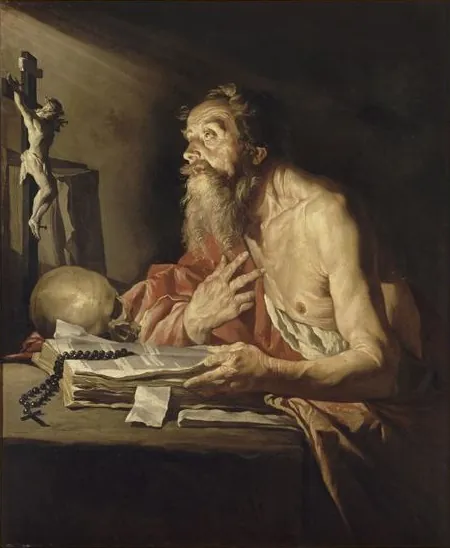 Jerome (c. 347–420) He translated the Bible into the Latin the Western church would read for a thousand years. The Vulgate fixed the scriptural text of medieval Europe, its preaching, its law, and its art. When later reformers returned to the Hebrew and the Greek, they were arguing with his Latin. |
| 44 | 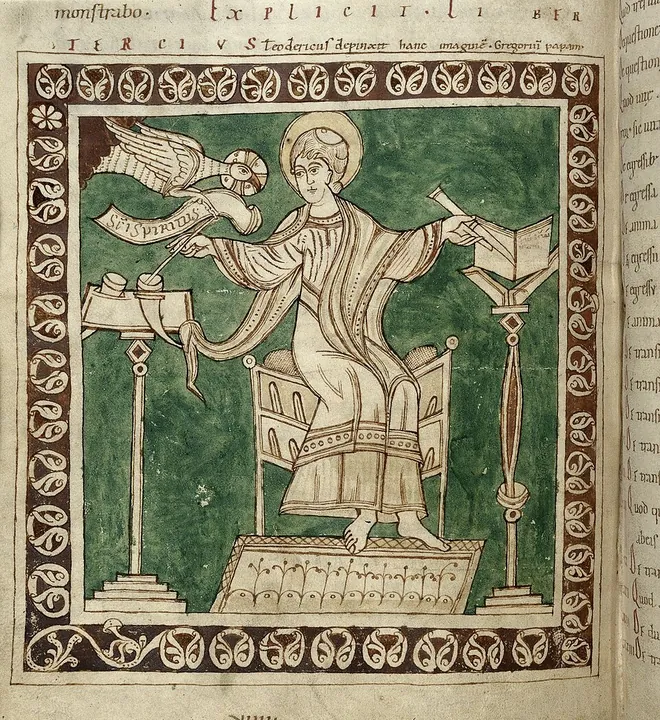 Gregory the Great (c. 540–604) Pope at the end of the sixth century, he organized the Roman church’s care of the city, sent a mission under Augustine of Canterbury to the English, and wrote a rule that taught bishops how to govern souls. Gregorian chant, the plainsong of the Latin Mass, still bears his name. The papacy as a moral and administrative power in the West, and the Christianization of England, both owe him a founding debt. |
| 45 | 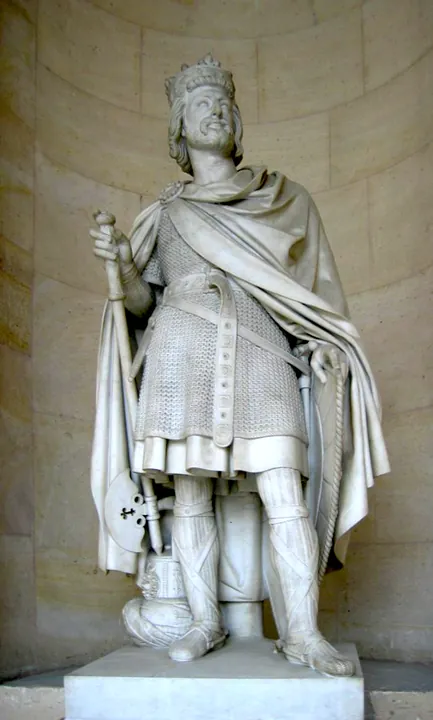 Charles Martel (c. 688–741) Mayor of the palace of the Franks, he defeated a Muslim raiding army between Tours and Poitiers in 732. The battle did not end the Islamic challenge, but it kept Gaul Frankish and Christian and made possible the dynasty of his grandson Charlemagne. Western Europe’s northern line against the caliphate holds, in memory and in fact, at that campaign. |
| 46 | 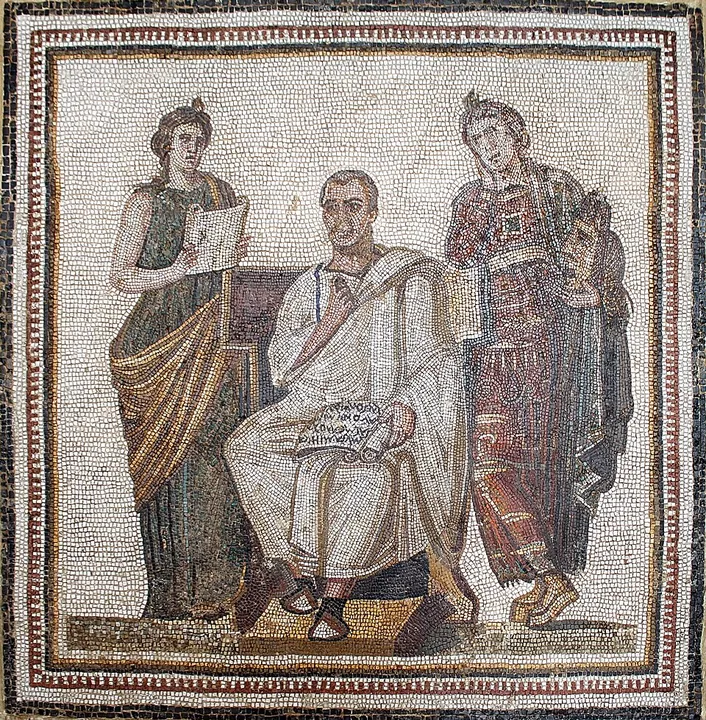 Virgil (70–19 BC) The Aeneid gave Rome a sacred poem of duty, fate, and the cost of founding a city, and the Middle Ages read him as a guide. Dante chose him to lead the way through hell. Latin education, the imperial idea, and the Western epic after Homer all pass through his lines. |
| 47 | 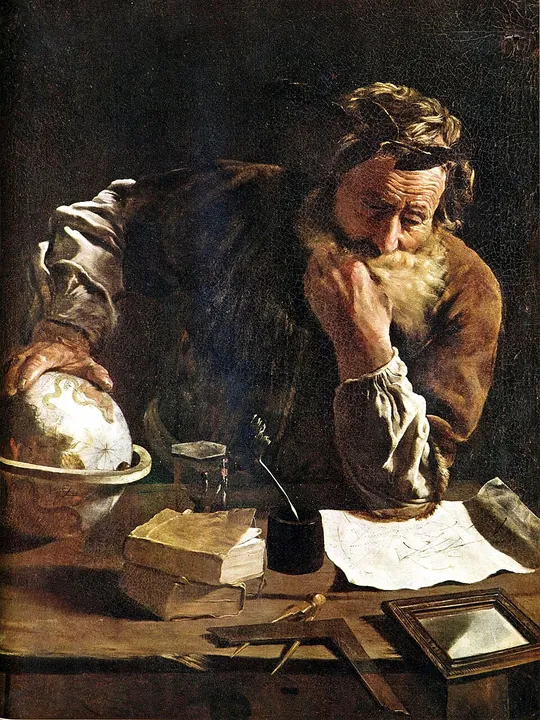 Archimedes (c. 287–212 BC) He founded mathematical physics in practice: levers, buoyancy, centers of gravity, and a method that came close to the calculus. The treatises mattered more than the legend of his war machines at Syracuse. Galileo and Newton studied him as the ancient who had already thought like them. |
| 48 | 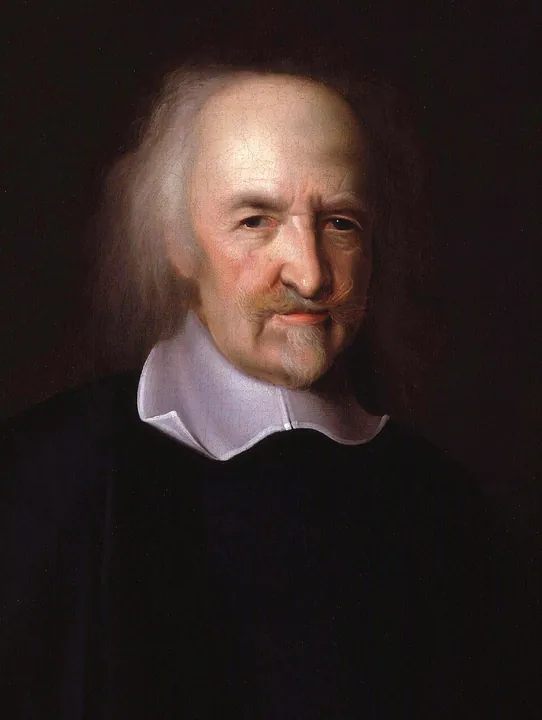 Thomas Hobbes (1588–1679) Writing in the wreck of the English Civil War, he argued that without a sovereign strong enough to overawe them, men live in a war of all against all. Leviathan is the first great modern theory of the state as an artificial person made to keep the peace. Liberalism after him is, in large part, an attempt to answer him without returning to chaos. |
| 49 | 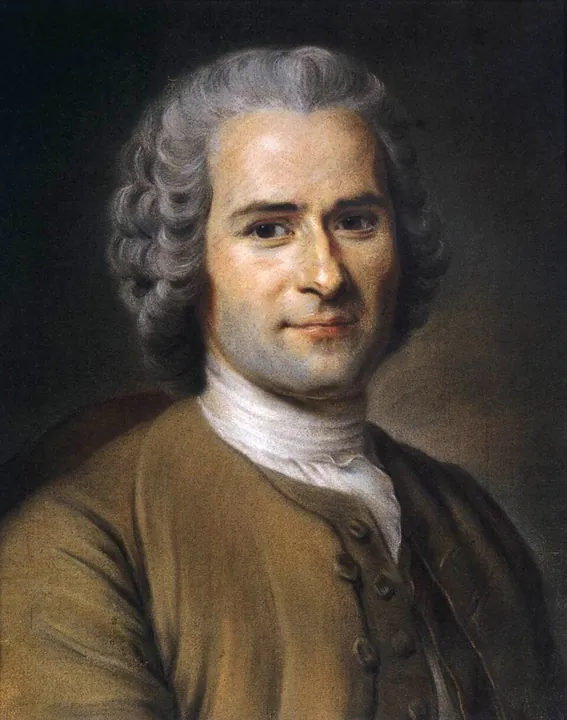 Jean-Jacques Rousseau (1712–1778) He taught Europe that men are born free and everywhere in chains, that feeling and the general will outrank the polish of the salons, and that a child should be educated according to nature. He left the suspicion that Western civilization itself is the corrupter. The French Revolution, romanticism, and modern leftist rhetoric all draw on him. |
| 50 | 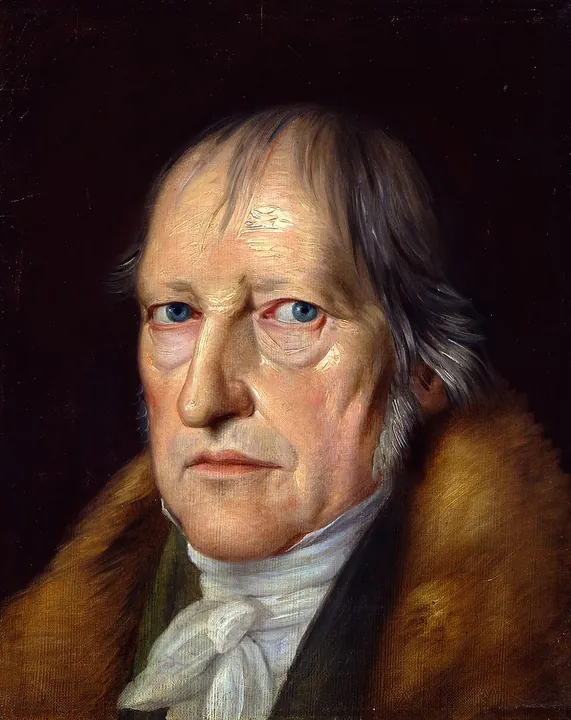 Georg Wilhelm Friedrich Hegel (1770–1831) He tried to tell the whole of history as the rational unfolding of freedom, and he gave later thinkers a logic of conflict and resolution. Marx took the method and dropped the spirit. Modern talk of history as a process with a direction, in the university and in politics, is still Hegelian even among people who deny him. |
| 51 | 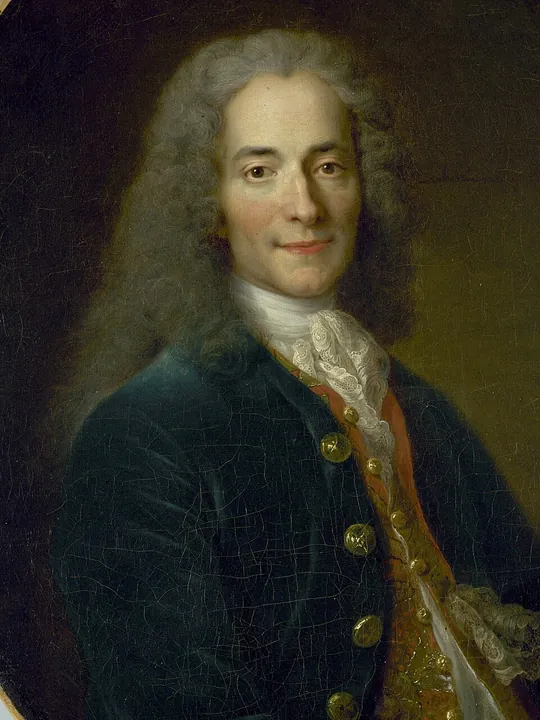 Voltaire (1694–1778) The sharpest pen of the French Enlightenment, he mocked the church, defended victims of judicial cruelty, and taught a wide public to treat toleration as the mark of a civilized state. Candide and the Philosophical Dictionary traveled farther than most systems. The secular tone of modern European letters begins in his voice. |
| 52 | 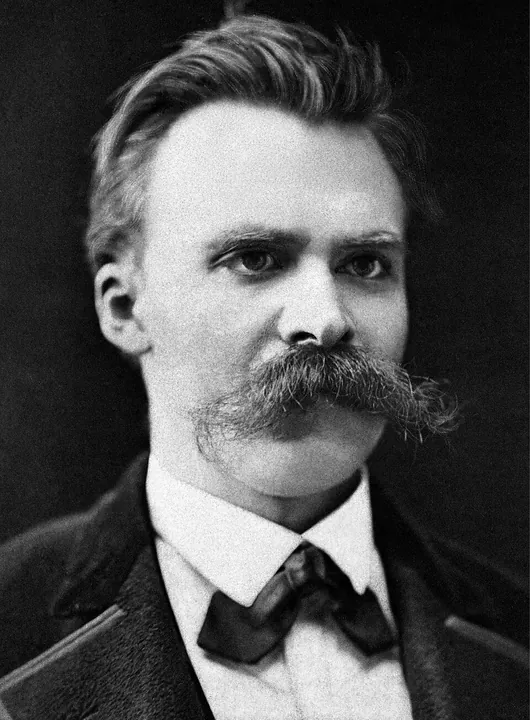 Friedrich Nietzsche (1844–1900) He announced the death of God as a cultural fact, attacked Christian pity as a morality of the weak, and called for a revaluation of values. His aphorisms entered literature, psychology, and politics far beyond the readers who understood him. The twentieth century’s experiments in living without the old faith, and its warnings about those experiments, both cite him. |
| 53 | 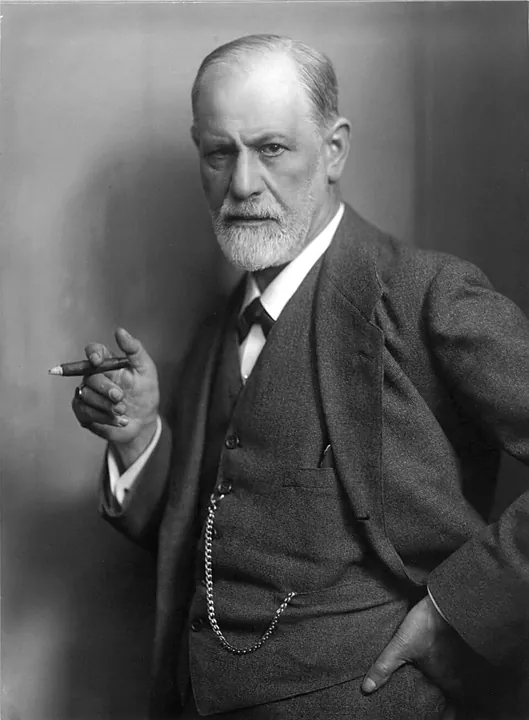 Sigmund Freud (1856–1939) He argued that the mind is driven by wishes it does not admit, and he built a therapy and a theory of culture on that claim. Whatever has survived of psychoanalysis as medicine, his picture of a divided self reshaped the novel, the clinic, and ordinary speech about motive. The West learned from him to distrust its own reasons. |
| 54 | 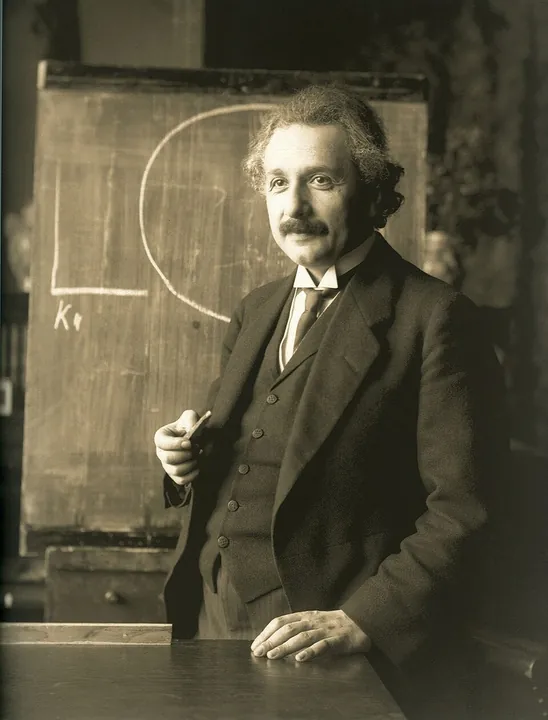 Albert Einstein (1879–1955) His special and general theories of relativity replaced Newton’s account of space, time, and gravity, and his work on light helped open quantum theory. The equations are now ordinary equipment in cosmology and in the satellites that give a phone its place on a map. He also became the public face of the scientist in the century that built the bomb his physics made conceivable. |
| 55 | 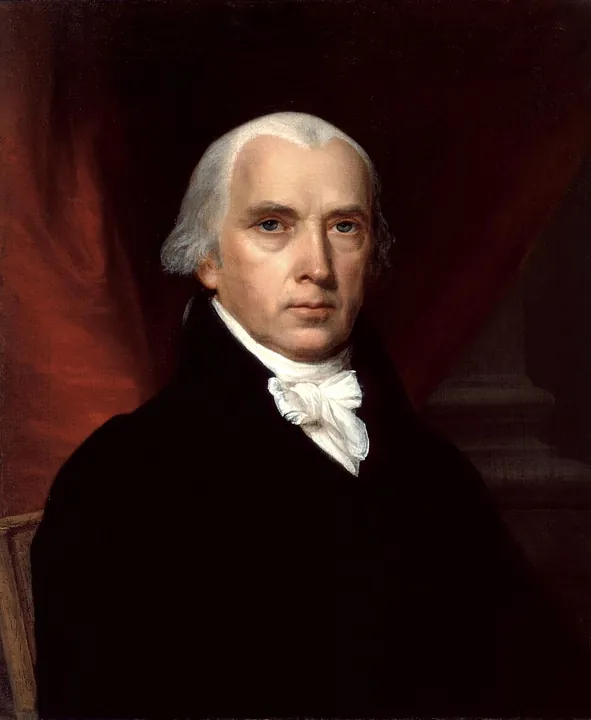 James Madison (1751–1836) He came to the Constitutional Convention with a plan, kept the notes that are our best record of it, and then explained the finished Constitution in the Federalist, with Hamilton and Jay. He drafted the Bill of Rights. The American republic’s structure, and the theory of a large republic that can remain free, are more his than any other founder’s. |
| 56 | 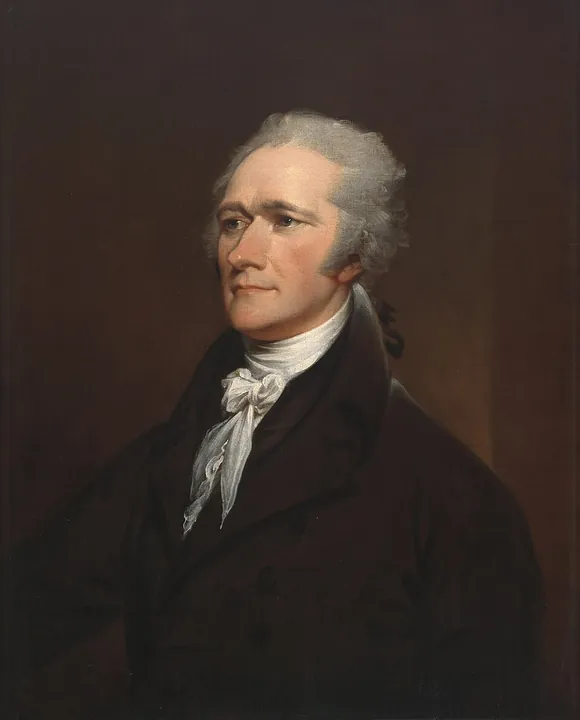 Alexander Hamilton (c. 1755–1804) An artillery officer who became Washington’s aide, he argued for a strong union, founded the financial system of the United States, and wrote most of the Federalist. The national bank, the assumption of the states’ debts, and the reading of the Constitution as an instrument of energy are his. America’s later commercial power follows the choices he won. |
| 57 | 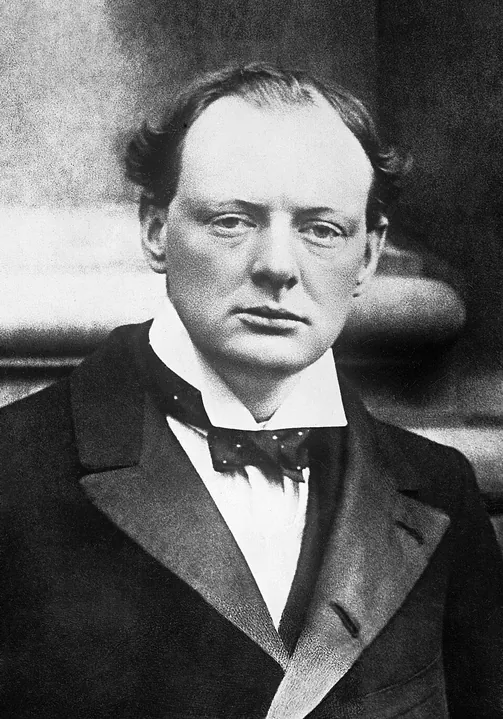 Winston Churchill (1874–1965) He had failed and been written off, and in 1940 he refused a peace that would have left Hitler master of Europe. His speeches and his conduct of the war held Britain, and with it a Western alliance, through the year when defeat was the reasonable expectation. The survival of a free Europe in the twentieth century has his name on it. |
| 58 | 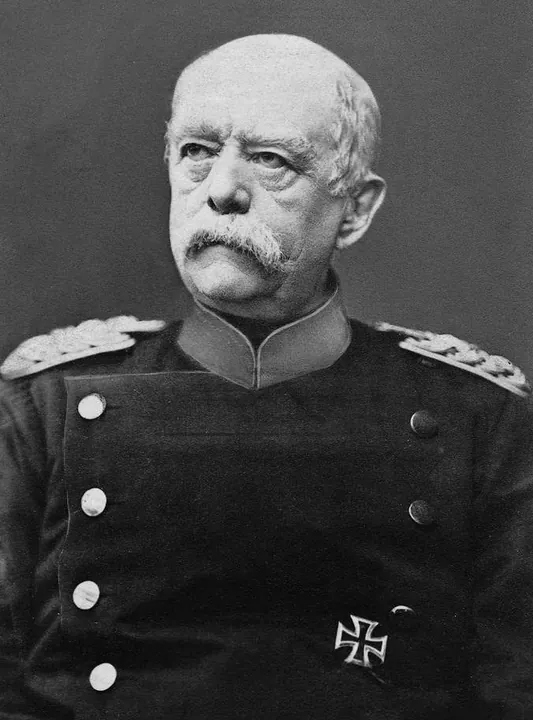 Otto von Bismarck (1815–1898) By war and by diplomacy he united Germany from above, forming a conservative empire under Prussia’s throne and army. He gave Europe the first modern social insurance, the sickness, accident, and old-age system later governments copied as the welfare state. The German empire he made became the central power of the continent and the problem of the next century. |
| 59 | 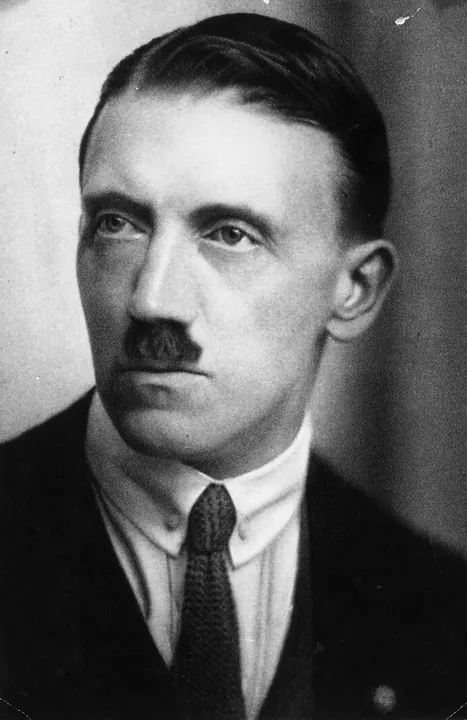 Adolf Hitler (1889–1945) An Austrian by birth, he led Germany into the Second World War on a promise to restore a nation humiliated by the First. He is the author of what later became known as the Holocaust. After his fall, the Allies cleaved Germany in two and rewrote the world order into the post-war consensus that has shaped Western society ever since. |
| 60 | 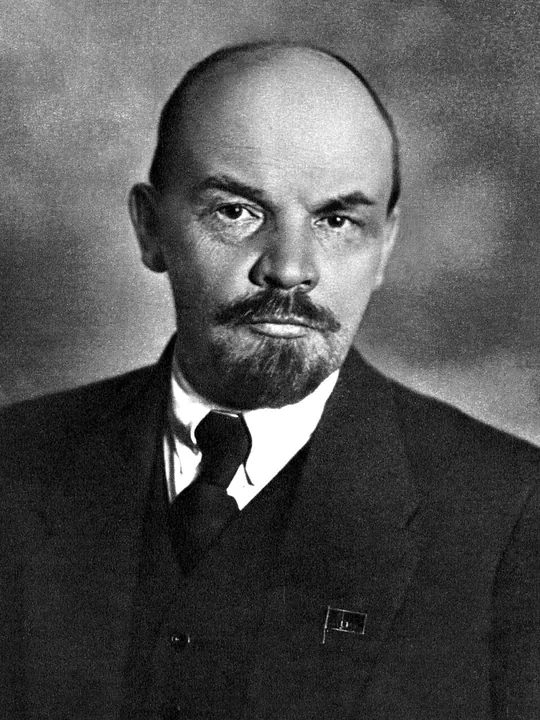 Vladimir Lenin (1870–1924) He turned Marx’s theory into a party that seized Russia in 1917 and invented the one-party state as a working machine. The Cheka, the Red Terror, and the civil war and famine that followed killed millions and founded the Soviet killing state. The twentieth-century West lived half its political life with the regime he started as its primary adversary. |
| 61 | 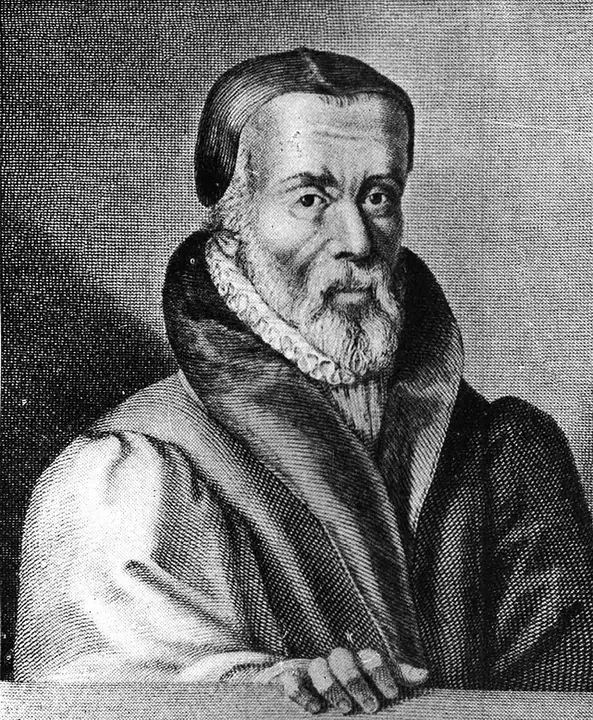 William Tyndale (c. 1494–1536) He was the first person to translate the Bible into English from Hebrew and Greek, and the first to print an English New Testament. He made it plain enough for a plowboy, and he was strangled and burned for it. Much of the King James New Testament is still his English. |
| 62 | 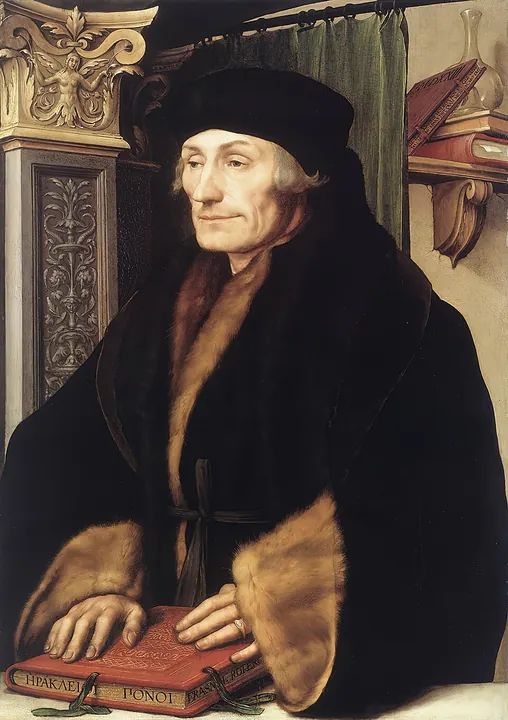 Desiderius Erasmus (1466–1536) He published the first printed Greek New Testament in 1516, the text Luther and Tyndale translated from. He mocked ignorant piety in In Praise of Folly, and tried to reform the church without breaking it. When Luther broke it, Erasmus answered on free will, and remained the bane of the Reformation. |
| 63 | 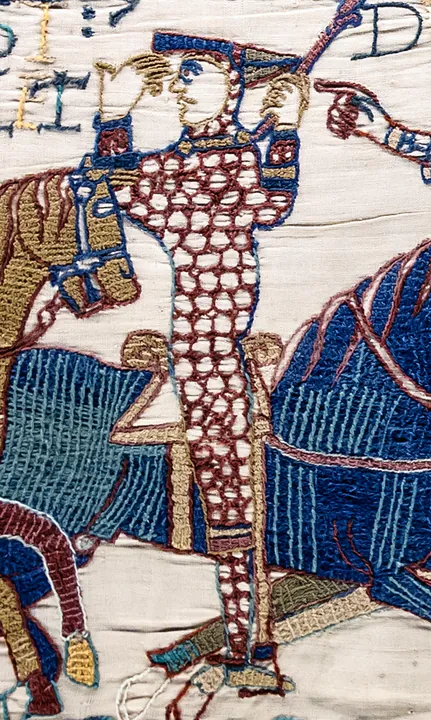 William the Conqueror (c. 1028–1087) In 1066, he conquered England, unified it with the Norman world, and replaced its ruling class. He ordered the Domesday Book, which recorded the land, the lords, and the dues of the whole kingdom. The later English state, its law, and its language were built from the foundation of his Conquest. |
| 64 | 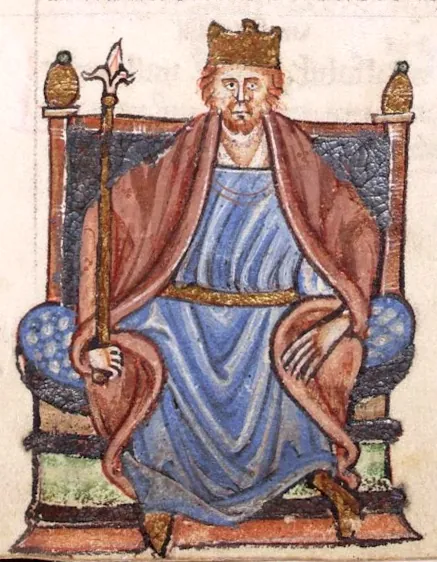 Henry II of England (1133–1189) He built a royal justice that reached past the local lord, sent judges on circuit, and laid the foundation of the English common law. His quarrel with Archbishop Thomas Becket showed the cost of a king who wanted the church’s courts inside his own. The legal tradition that later crossed the Atlantic begins in his reforms. |
| 65 | 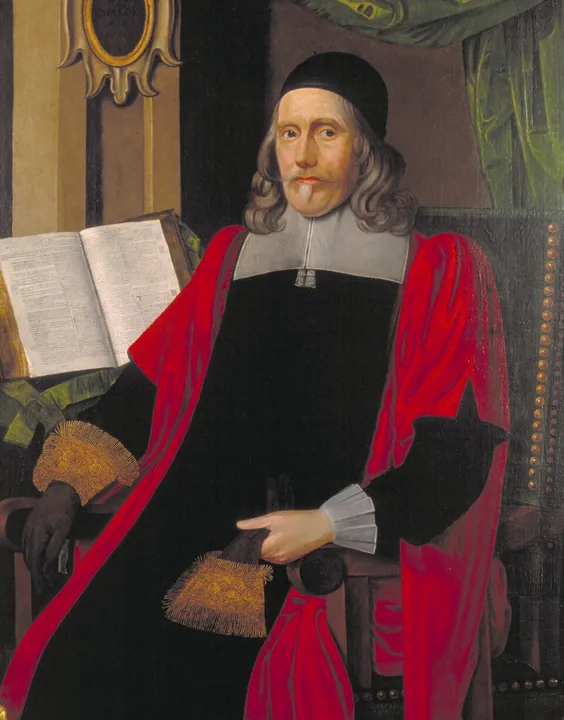 Edward Coke (1552–1634) A Jacobean judge and member of Parliament, he fought the king in the courts and wrote the Institutes that taught the common law to later centuries. He helped wrench the Petition of Right from Charles I and treated Magna Carta as a living limit on the crown. American constitutional lawyers inherited their common-law mind from him. |
| 66 | 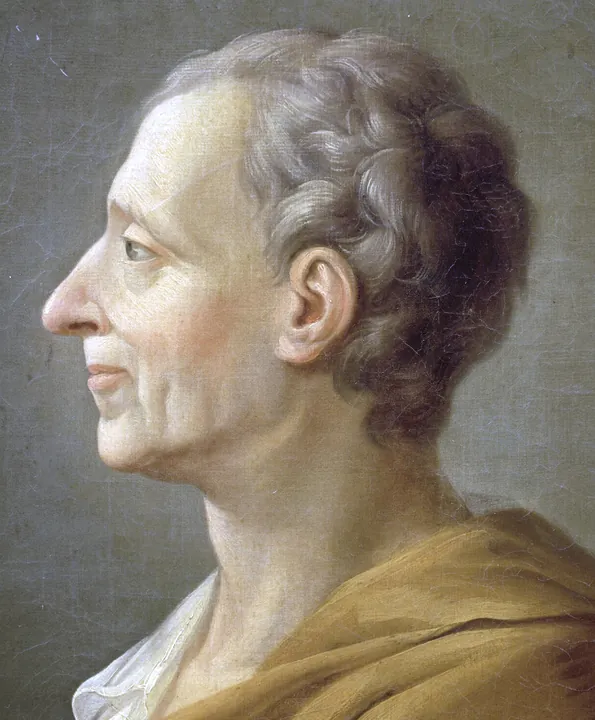 Montesquieu (1689–1755) In The Spirit of the Laws he argued that liberty depends on separating the powers of government and on fitting laws to the character of a people. The American framers read him as an authority. Modern constitutional design, when it speaks of checks and of the spirit of a regime, is using his terms. |
| 67 | 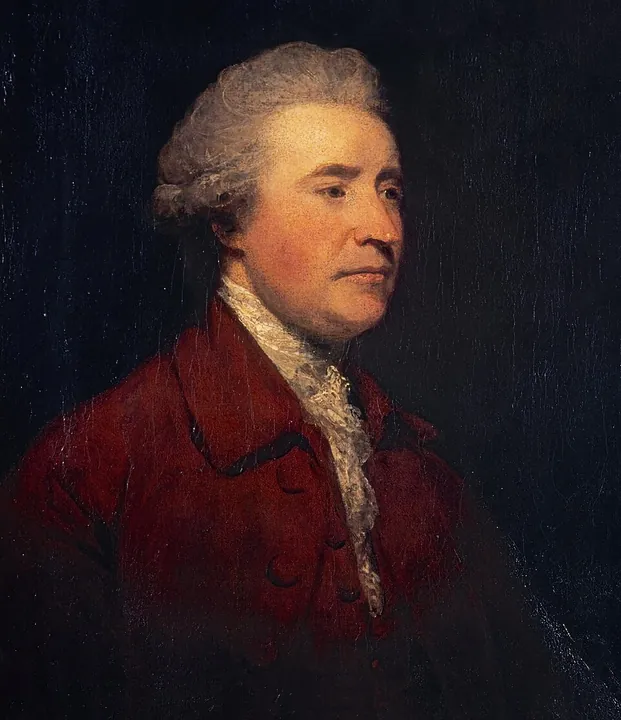 Edmund Burke (1729–1797) He defended the rights of the American colonists, and then wrote the great attack on the French Revolution as a destruction of inherited order. Conservatism as a modern political philosophy begins in those Reflections. He taught the West to judge a reform by the society it will actually produce. |
| 68 | 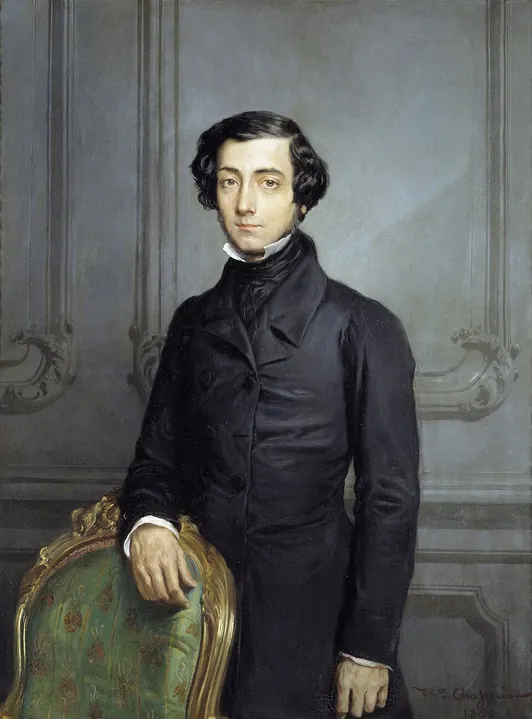 Alexis de Tocqueville (1805–1859) A French aristocrat, he traveled the United States and wrote the deepest book on democratic manners, equality, and the habits that keep a free people free. Democracy in America is still the book one reads to understand both the promise of modern equality and its soft despotism. Every later critic of mass democracy is in his debt. |
| 69 | 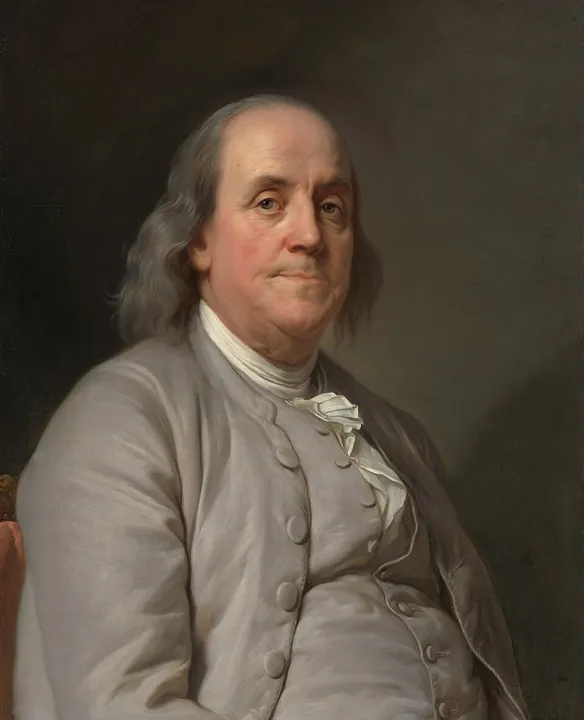 Benjamin Franklin (1706–1790) Printer, experimenter, and diplomat, he showed that lightning is electrical, founded the civic institutions of Philadelphia, and won the French alliance that made American independence possible. He is the practical Enlightenment in one life. The American type of the self-taught public man starts with him. |
| 70 | 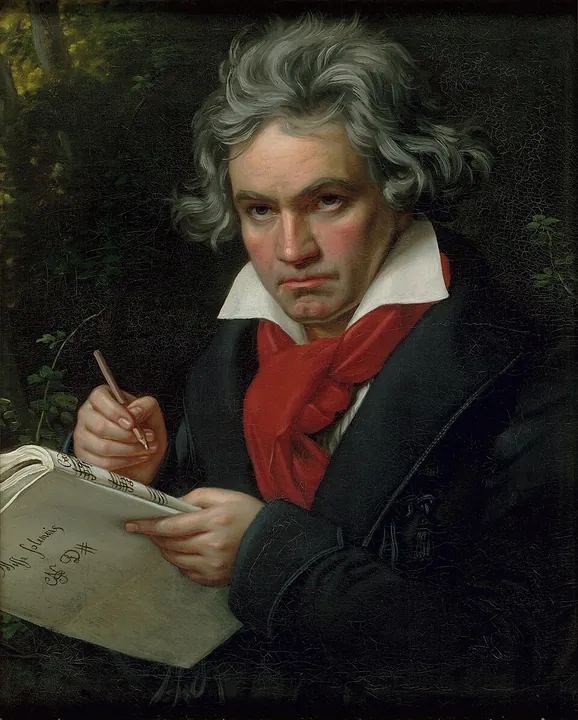 Ludwig van Beethoven (1770–1827) He wrote the Eroica, the Fifth, and the Ninth, and took the symphony, the sonata, and the quartet to a scale and a personal urgency that changed what serious music was for. Deafness did not stop the late works, which remain the most inward instrumental music the West has. He moved the symphony from the court to the concert hall, and formed the musical foundation of Romanticism. |
| 71 | 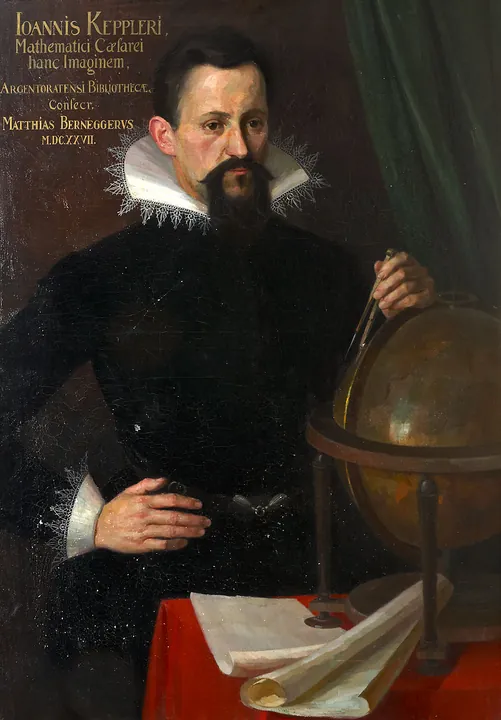 Johannes Kepler (1571–1630) He abandoned the perfect circle, showed that the planets move in ellipses, and stated the laws that let Newton unite heaven and earth. He did the work as a Christian mathematician convinced that God had built the world in number. The exact predictive astronomy of the modern West begins when his laws replace the old spheres. |
| 72 | 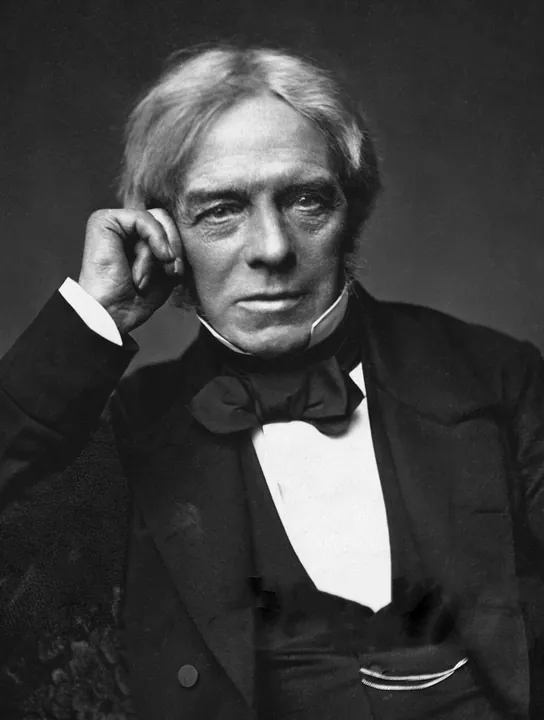 Michael Faraday (1791–1867) A bookbinder’s apprentice, he became the greatest experimental physicist of his century. He showed how a changing magnetic field produces current, made the first electric motor, and thought in fields rather than in action at a distance. The electrical civilization, from the power station to the transformer, is the engineering of his discoveries. |
| 73 | 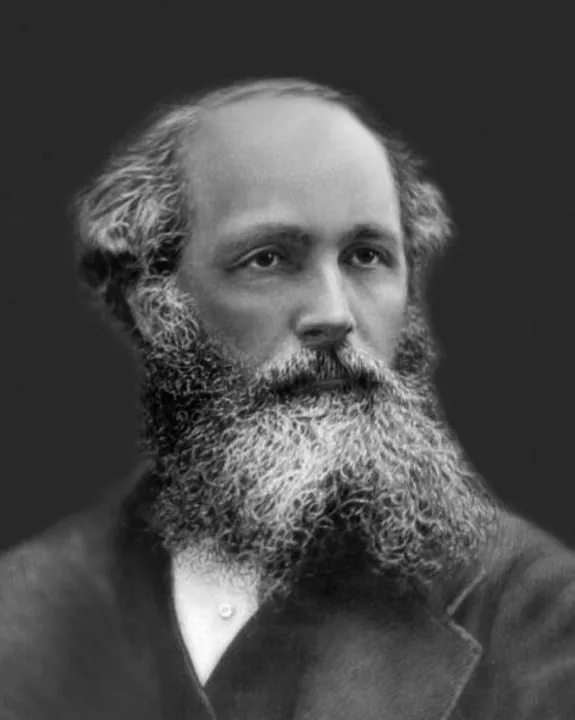 James Clerk Maxwell (1831–1879) He wrote Faraday’s intuitions as equations and showed that light itself is an electromagnetic wave. Radio, the electrical theory of matter, and Einstein’s starting point all sit on those equations. Among physicists he stands with Newton and Einstein. |
| 74 | 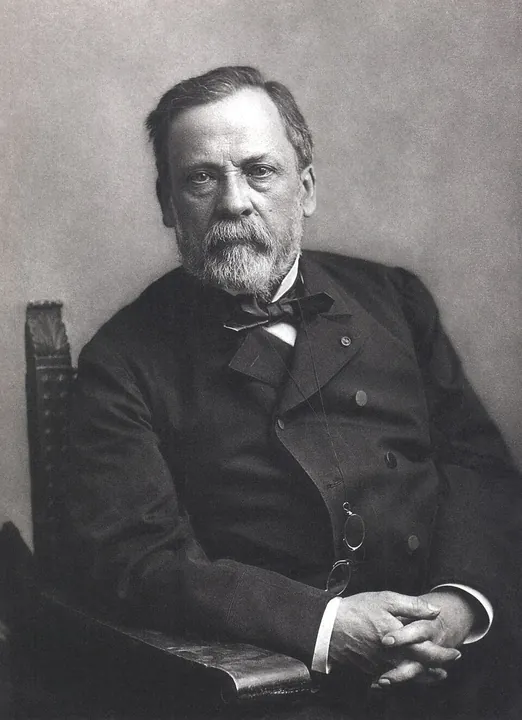 Louis Pasteur (1822–1895) He showed that microbes do not arise by themselves from broth, that fermentation and disease have living causes, and that a weakened germ can vaccinate. Pasteurization and the germ theory changed surgery, milk, and the length of ordinary lives. The daily practice of modern medicine is still his. |
| 75 | 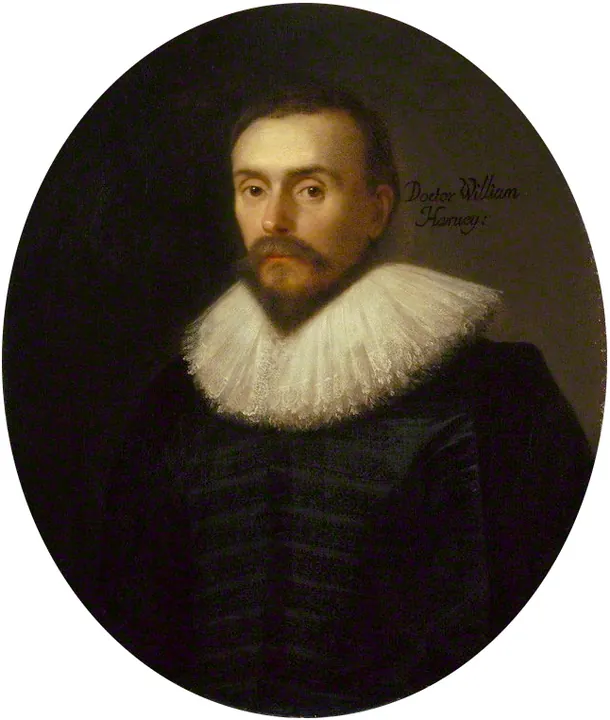 William Harvey (1578–1657) By experiment and by count he showed that the blood moves in a circuit driven by the heart, against a millennium of Galenic teaching. The book is small, and the claim remade physiology. Every later advance that treats the body as a working system owes him the first clean demonstration. |
| 76 | 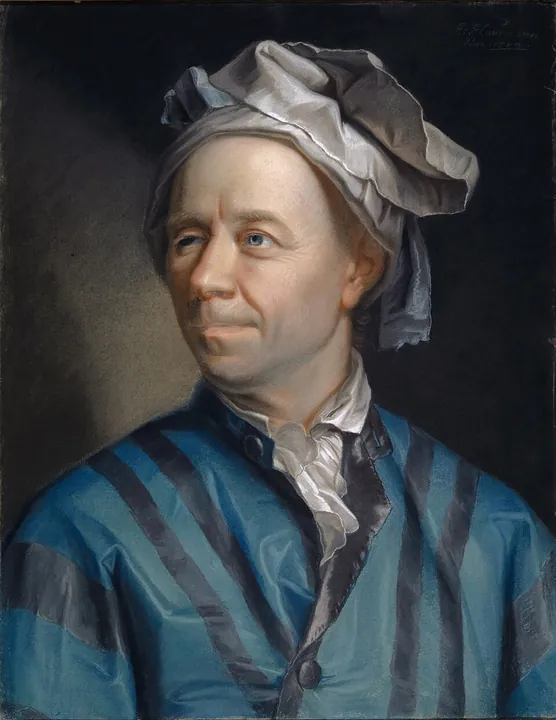 Leonhard Euler (1707–1783) The most productive mathematician on record, he shaped analysis, number theory, mechanics, and the notation in which mathematics is still written. His equations run through engineering, astronomy, and physics as working tools. If the West has a universal mathematician between Newton and Gauss, it is Euler. |
| 77 | 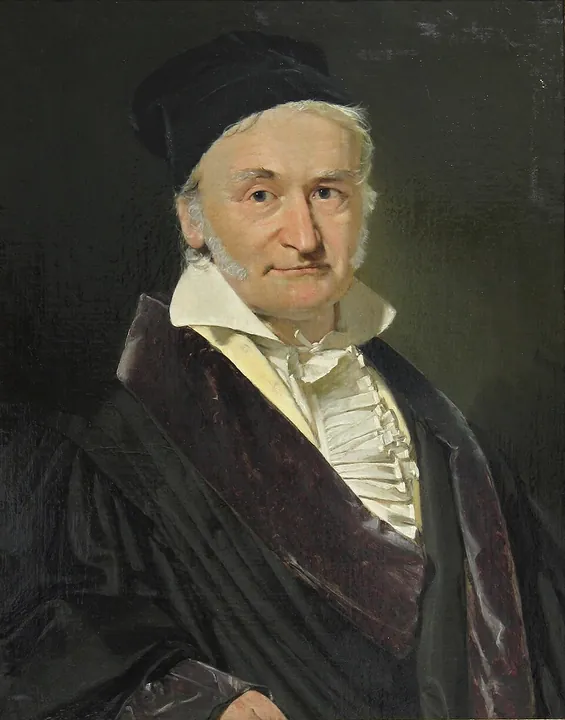 Carl Friedrich Gauss (1777–1855) He gave number theory its modern depth, proved the fundamental theorem of algebra, and did founding work in statistics, geodesy, and the mathematics of surfaces. Contemporaries called him the prince of mathematicians, and the title has stuck because later mathematics still begins in his neighborhood. The exact sciences of the nineteenth century were built from his work. |
| 78 | 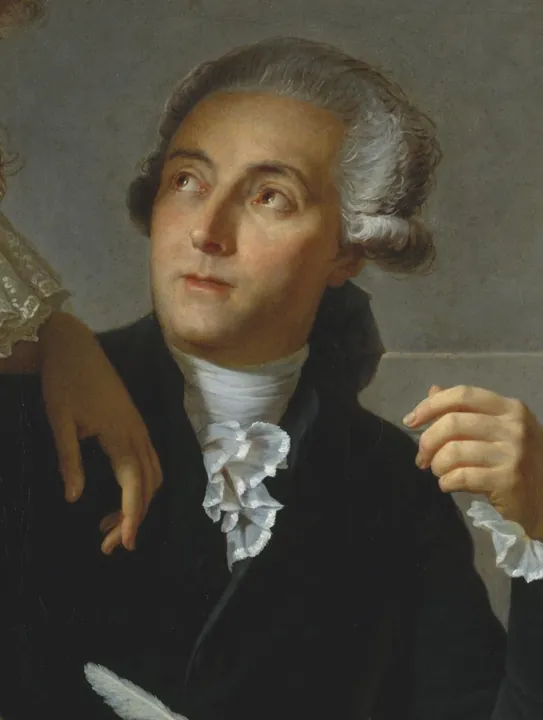 Antoine Lavoisier (1743–1794) He overthrew the phlogiston theory, named oxygen, and made chemistry a quantitative science of elements and conservation. That revolution is why the field could join physics as a modern science. The Republic he had helped to supply sent him to the guillotine, but could not stop the science. |
| 79 | 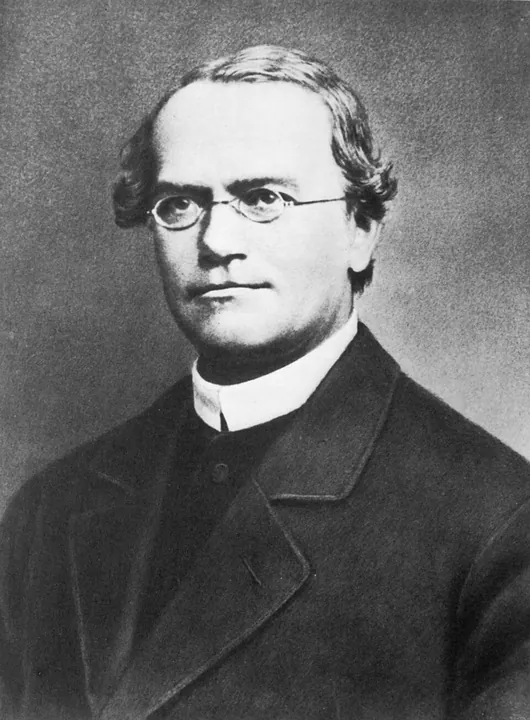 Gregor Mendel (1822–1884) An Augustinian friar, later abbot, he counted peas and found that inheritance comes in discrete factors. Ignored in his lifetime, the work was recovered at the start of the twentieth century and became genetics. Medicine, breeding, and the later reading of DNA are the continuation of his garden experiments. |
| 80 | 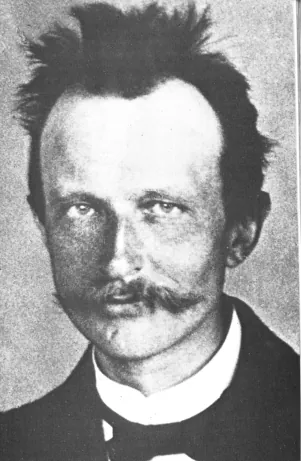 Max Planck (1858–1947) He introduced the quantum, the idea that energy is emitted in discrete amounts, to make the laws of radiation come out right. He did not welcome where the idea led, but quantum theory, and with it the physics of the atom and modern electronics, begins in that step. The twentieth century’s picture of matter is his as much as it is Einstein’s. |
| 81 | 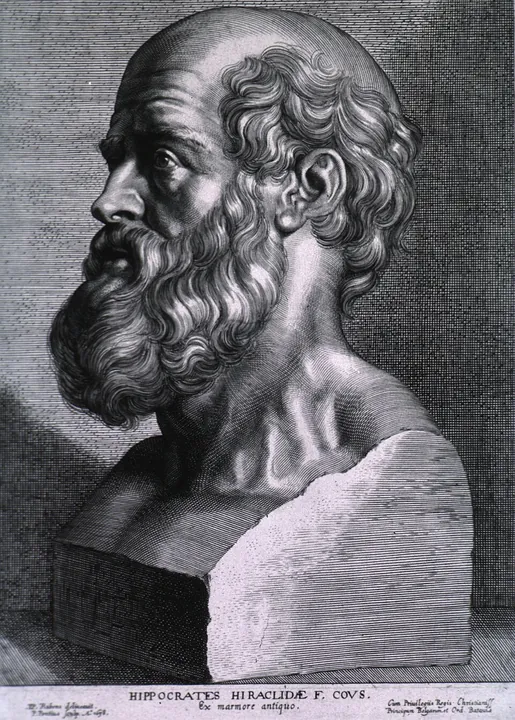 Hippocrates (c. 460–c. 370 BC) The oath and the writings under his name turned healing from a temple craft into a practice that observes the patient and binds the physician to do no harm. Greek medicine, Galen, and the medical schools of Europe all claimed him. The ethic of the profession still uses his name, long after his science was replaced. |
| 82 | 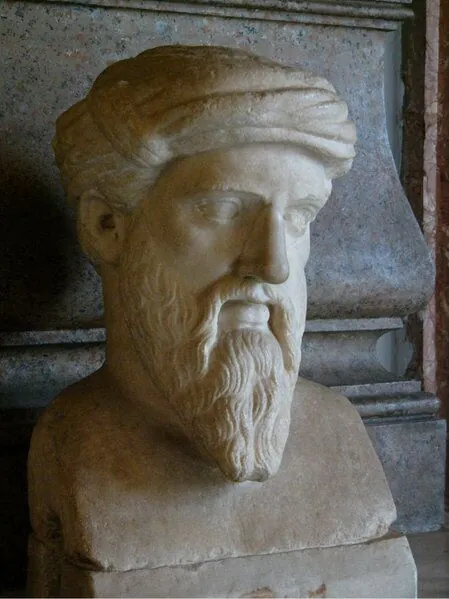 Pythagoras (c. 570–c. 495 BC) He taught that number is the key to the cosmos, and the theorem that bears his name made that claim famous. The school he founded put mathematics at the center of wisdom and tied music, the heavens, and the soul to proportion. That conviction runs from Plato through Kepler to the physics of our own time. |
| 83 | 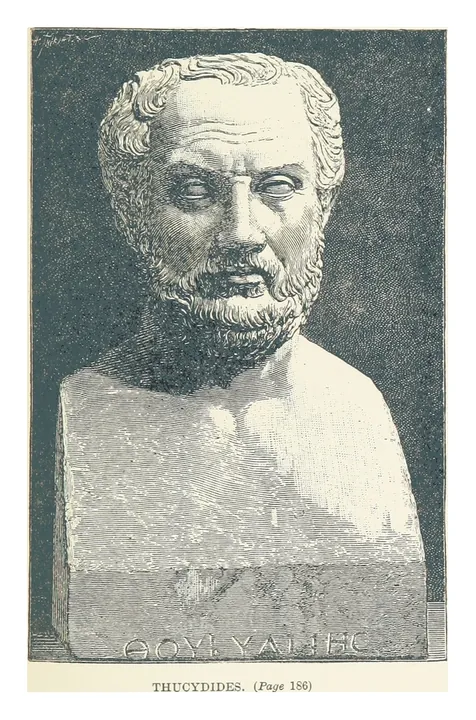 Thucydides (c. 460–c. 400 BC) He wrote the history of the Peloponnesian War as a possession for all time, a study of what power, fear, plague, and demagogues do to ruin a city. He analyzed it with a coldness later historians have envied. Political realism in the West, and the idea that history can be a work of intelligence, begin with him. |
| 84 | 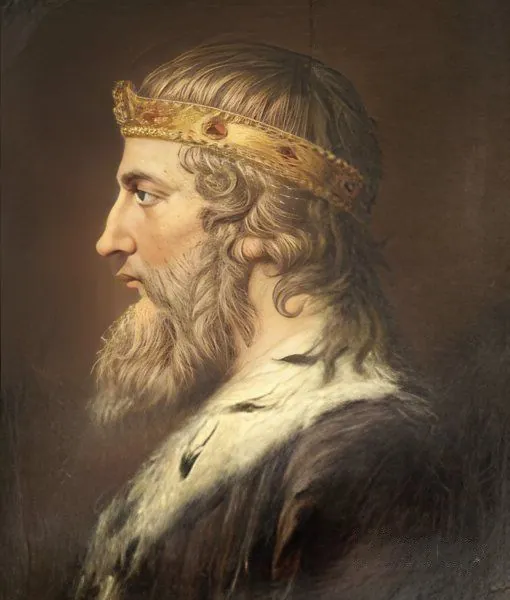 Alfred the Great (849–899) King of Wessex, he held England against the Danish conquest, took London, and then translated the books he thought a Christian king must know. His law code and his schools began a recovery of learning in English. The English political nation has always dated its beginning from him, and the dating is fair. |
| 85 | 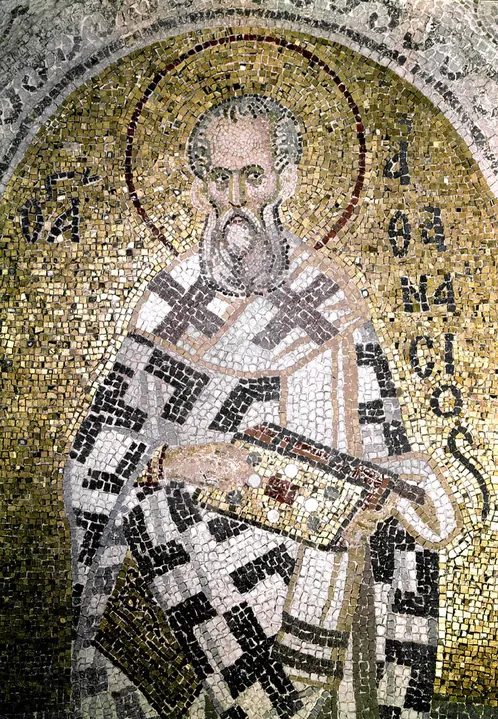 Athanasius of Alexandria (c. 296–373) Against emperors and repeated exile he defended the Nicene confession that the Son is of one being with the Father. The Arians taught that the Son was created, not God; had they won, the Incarnation and salvation would not have held, and Christianity would have been a different religion. The Trinity, as the West still has it, survived because he would not yield, and it remains the Church’s faith because of that fight. |
| 86 | 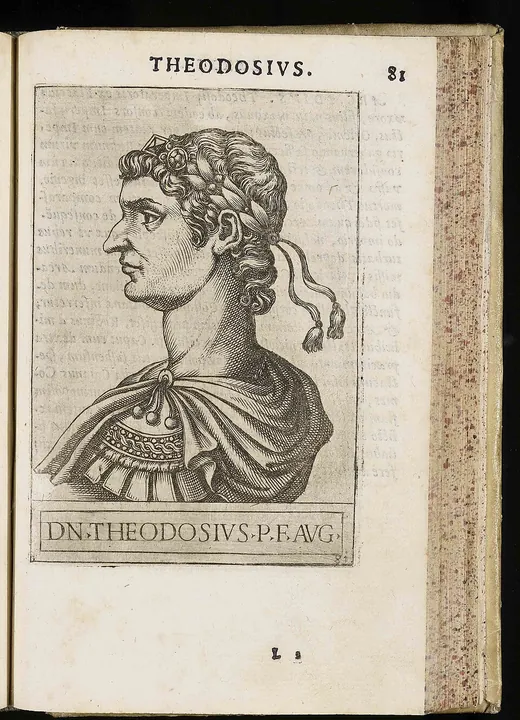 Theodosius I (347–395) He made Nicene Christianity the official faith of the Roman Empire and suppressed the public cults of the old gods. The decision ended the ancient religious settlement and began the millennium in which Europe was publicly Christian. Church and empire ever after argued inside the world he declared. |
| 87 | 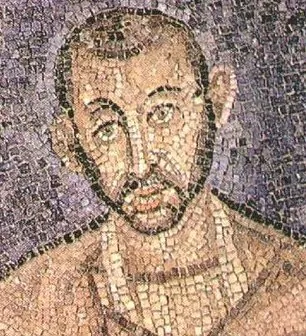 Ambrose of Milan (c. 339–397) Bishop and former governor, he baptized Augustine, wrote hymns the Latin West still sings, and told the emperor Theodosius that even he stood inside the moral law. That confrontation taught medieval Europe that the magistrate is not the highest voice, but answers to God. The independence of the church from the prince has one of its founding scenes in his cathedral. |
| 88 | 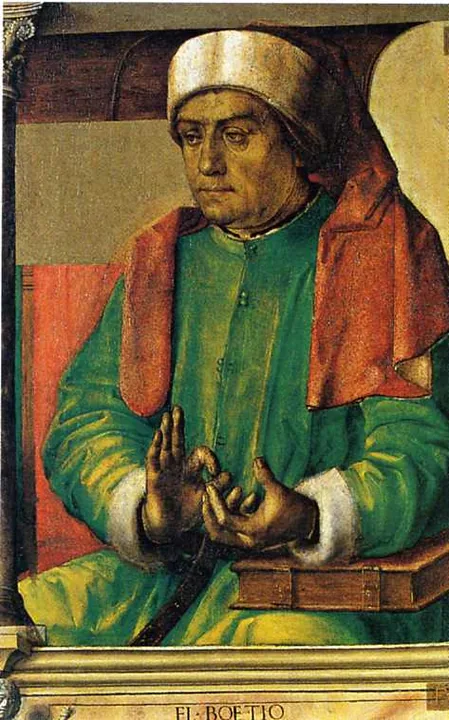 Boethius (c. 477–524) Awaiting execution, he wrote The Consolation of Philosophy, and before that he had set out to give the Latin West the logic of Aristotle. The Consolation was, after the Bible, the book of the Middle Ages. Through him, a falling Rome handed Greek reasoning to the Christian centuries that followed. |
| 89 | 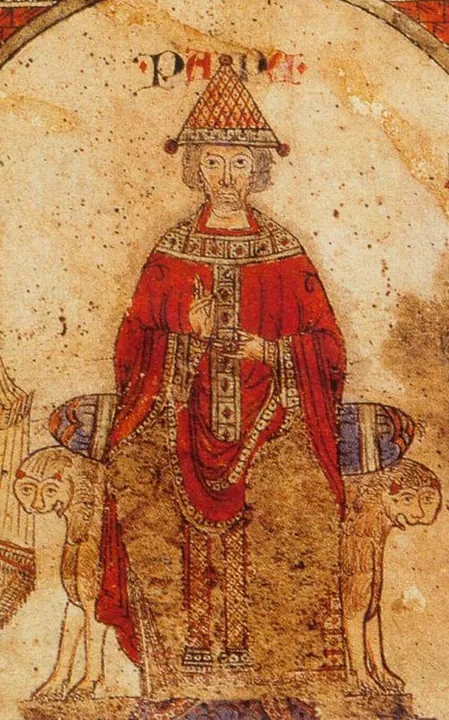 Gregory VII (c. 1015–1085) As pope he claimed that the successor of Peter stands above kings in spiritual things, and he made the emperor Henry IV wait in the snow at Canossa. The investiture controversy he forced is the beginning of the West’s long separation between spiritual authority and royal power. Limited government has more than one root, and one of them is a pope who would not let a king own the church. |
| 90 | 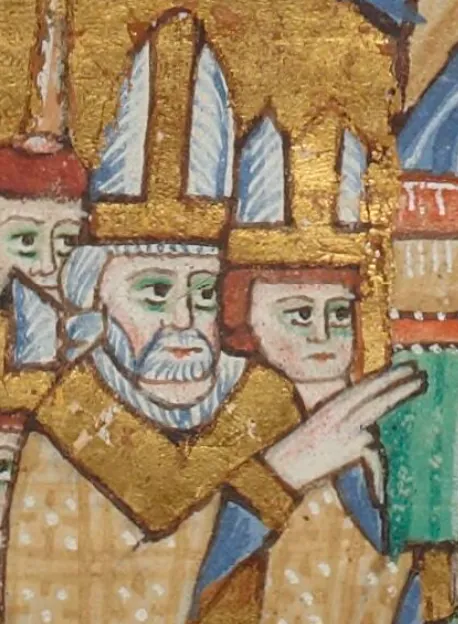 Urban II (c. 1035–1099) At Clermont in 1095 he called the knights of the Latin West to recover Jerusalem, and liberate their Christian brethren who had been conquered by the Muslims. The Crusades that followed remade the papacy, the military orders, and the West’s picture of itself as Christendom armed. Pilgrimage, war, and trade in the eastern Mediterranean for two centuries answer to that sermon. |
| 91 | 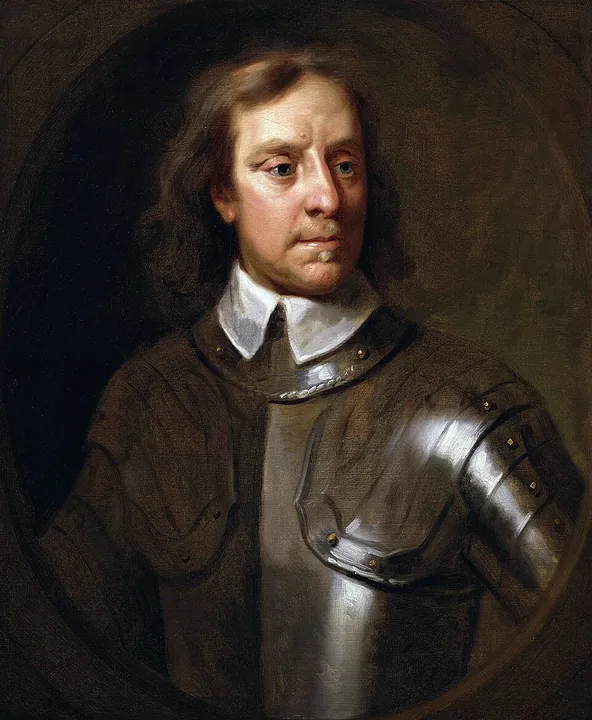 Oliver Cromwell (1599–1658) He led the New Model Army that defeated the king, signed the death warrant, and ruled England, Scotland, and Ireland as Lord Protector. The republic failed and the monarchy returned, but the proof that a king could be brought to a public trial remained. Later limited monarchy in Britain, and the warning to every prince, date from that decade. |
| 92 | 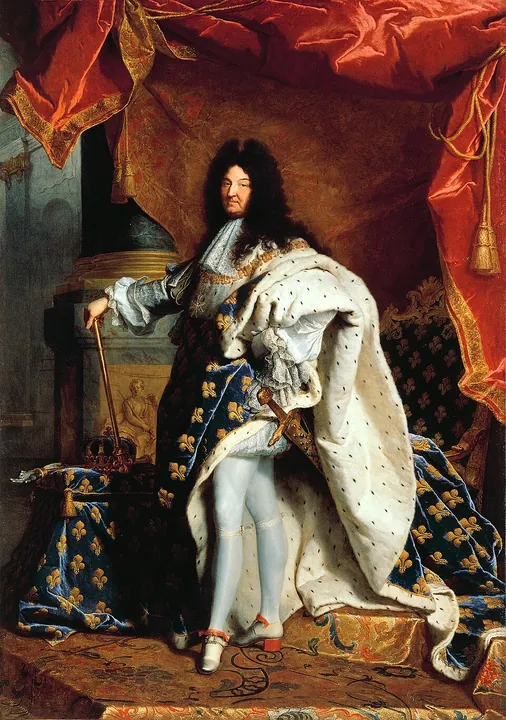 Louis XIV (1638–1715) He made the French monarchy the model of absolute rule, built Versailles as the theater of it, and fought for decades to set his house above Europe. French language, administration, and taste became the standard of the courts. The Revolution that destroyed his kind of kingship was, in part, the bill for the state he perfected. |
| 93 | 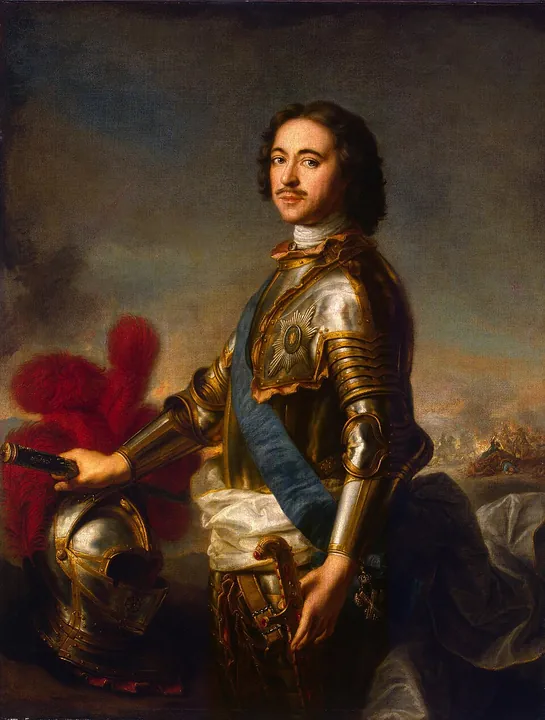 Peter the Great (1672–1725) Tsar of a realm that stood half outside Europe, he dragged it toward Western technique, administration, and shipbuilding, and he built St. Petersburg as a window on the Baltic. Russia as a great power in European politics begins with him. He is here as the man who decided that Europe would have to reckon with Russia as one of its own powers. |
| 94 | 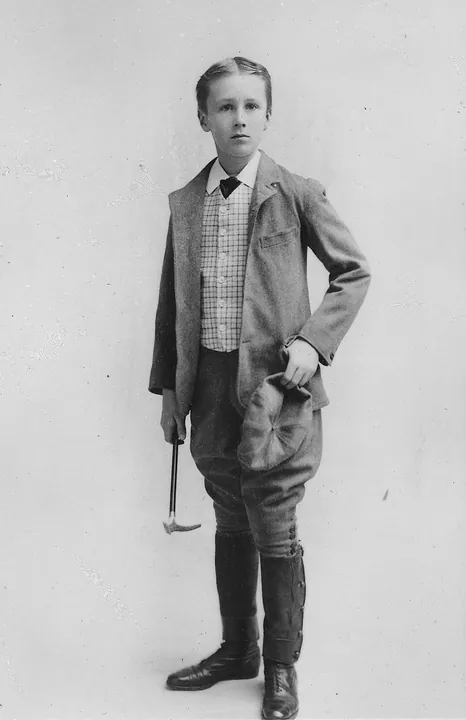 Franklin D. Roosevelt (1882–1945) He led the United States through the Depression and the Second World War, a civilizational reset of the American state and of the West’s power. He built the federal government to a new scale, made America the arsenal of the alliance against Germany and Japan, and defined the postwar order that followed the victory. The modern administrative state, the American century, and the post-war consensus after 1945 all begin in those twelve years. |
| 95 | 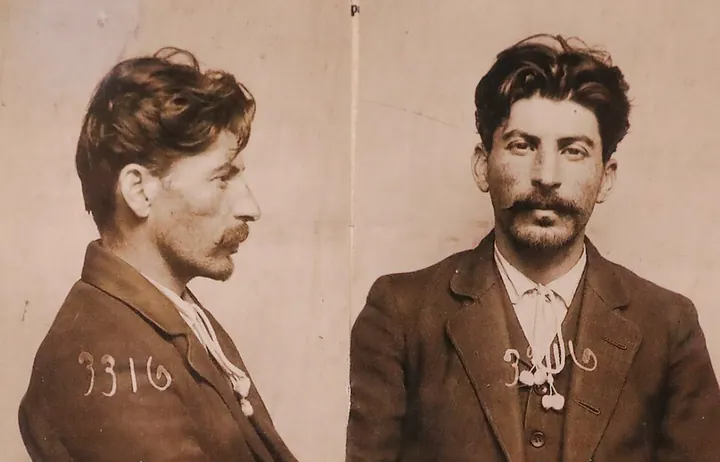 Joseph Stalin (1878–1953) He turned Lenin’s Communist party-state into a personal despotism and industrialized the Soviet Union by terror, famine, and the Gulag, at a cost of tens of millions of lives. The Red Army he commanded then held the eastern front that broke the German army, at a cost in Soviet lives that he spent without hesitation. After the war his empire sat on half of Europe for forty years, and the Cold War was the West’s long struggle against that empire. |
| 96 | 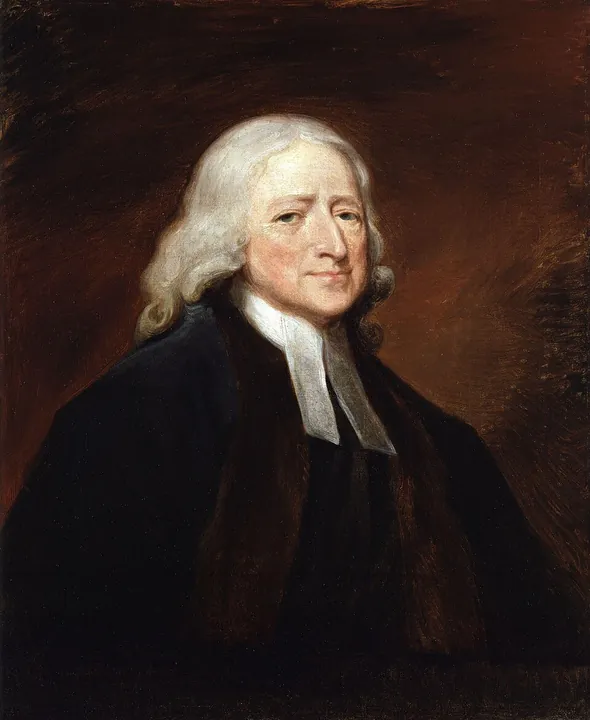 John Wesley (1703–1791) An Anglican priest, he took preaching into the fields and organized converts into societies of discipline, song, and mutual help. Methodism became a mass movement among English-speaking working people and a lasting Protestant denomination. The evangelical tone of British and American religion, and a great share of its social reform, runs through his circuits. |
| 97 | 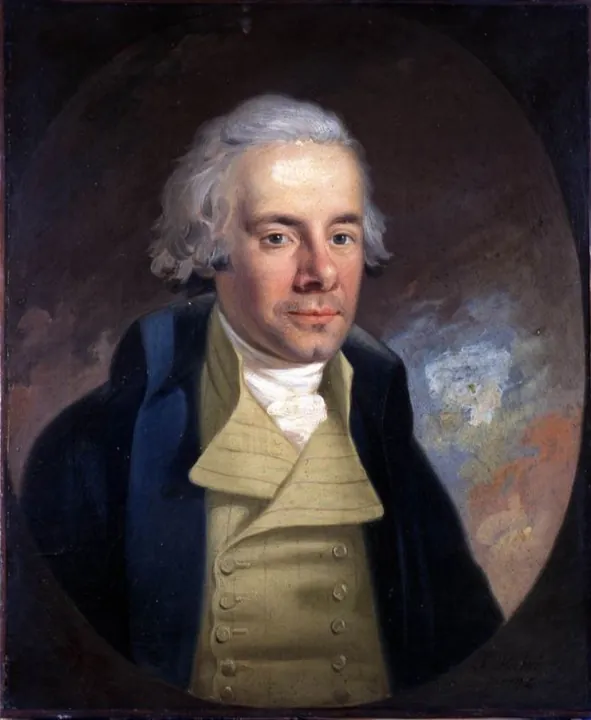 William Wilberforce (1759–1833) He was the driving force behind the West’s abolition of slavery. For decades in the House of Commons he forced the British slave trade, and then slavery itself in the empire, onto the floor until they were abolished. He did it as an evangelical Christian who believed the nation would be judged. The West’s use of its own naval power to suppress the trade is the public consequence of that parliamentary life. |
| 98 | 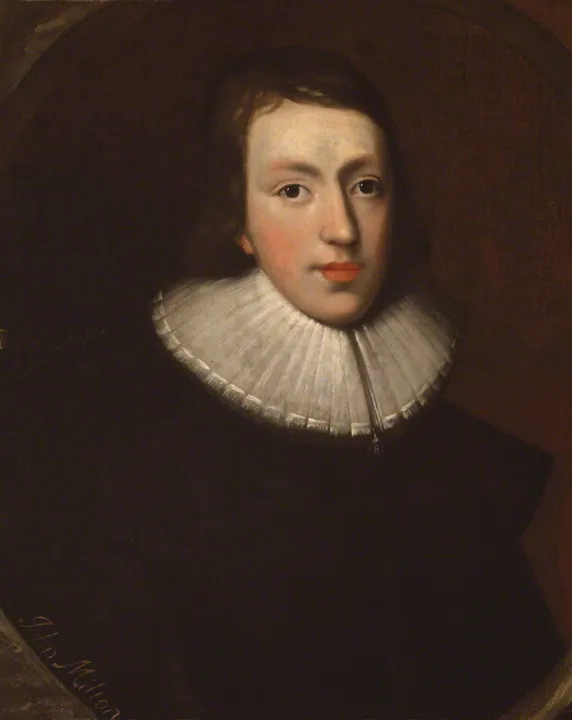 John Milton (1608–1674) He wrote the defense of a free press in Areopagitica and, while blind and politically defeated, the greatest English epic. Paradise Lost retold the Fall in a blank verse that reorganized the language’s sense of the sublime. English liberty of printing and English sacred epic both bear his name. |
| 99 | 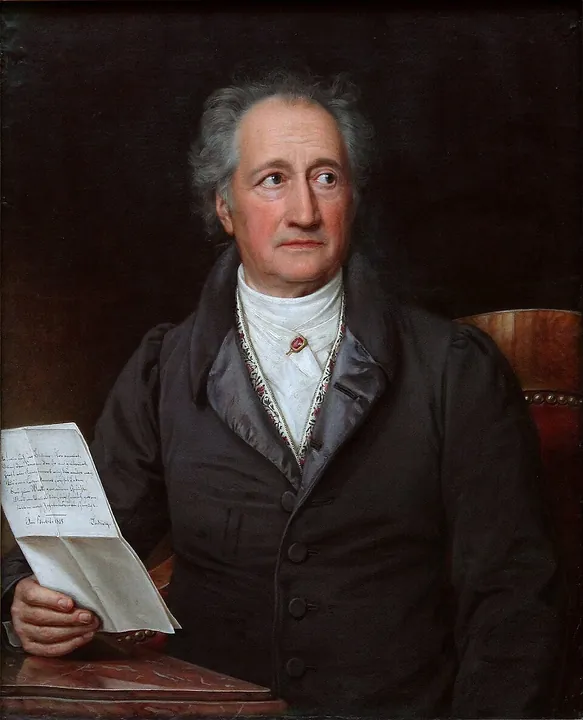 Johann Wolfgang von Goethe (1749–1832) Poet, novelist, scientist, and minister at Weimar, he gave the German language its modern classic in Faust. He stood for a life that tried to join art, nature, and public duty. For a century, educated Europe treated him as the complete man of letters, and romanticism had to pass through him on the way in and on the way out. |
| 100 | 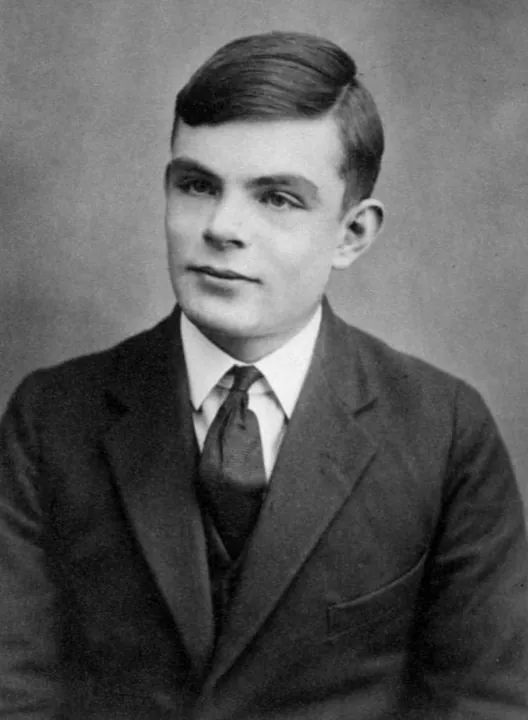 Alan Turing (1912–1954) He stated what a computing machine is, showed that some problems cannot be decided by any such machine, and then put the idea to work on the machines that broke German naval ciphers. The computer, as a universal machine rather than a single-purpose calculator, is his concept. The digital order the West now lives inside begins in that 1936 paper and in the huts at Bletchley Park. |
Know the men. Keep the inheritance. Pass it on.
Aletheian Academy — classical tutoring for minds that will not be managed.
Likenesses are local copies of files from Wikimedia Commons. Most are public-domain paintings, prints, mosaics, or official photographs. A few photographs of sculpture are used under CC BY or CC BY-SA; hover those portraits for the credit.